


106th Constitutional Amendment Act, 2023
The 106th Constitutional Amendment Act, also known as the Women’s Reservation Bill, aims to empower women by expanding their political rights. Facts to Know About It is aligned with Article 7 of the Convention on the Elimination of All Forms … Continue reading

National Human Rights Commission
The national commission that focuses on ensuring Human Rights are upheld for every citizens. What needs to be known? It was established as per the Protection of Human Rights Act, 1993. It is in conformity with the Paris Principles of … Continue reading

Convention on Migratory Species
Convention on Migratory Species is a convention under UNEP that aims a conservation of migratory species. Facts to know It aims to conserve terrestrial, marine, and avian migratory species across their ranges. It is also known as the Bonn Convention. … Continue reading
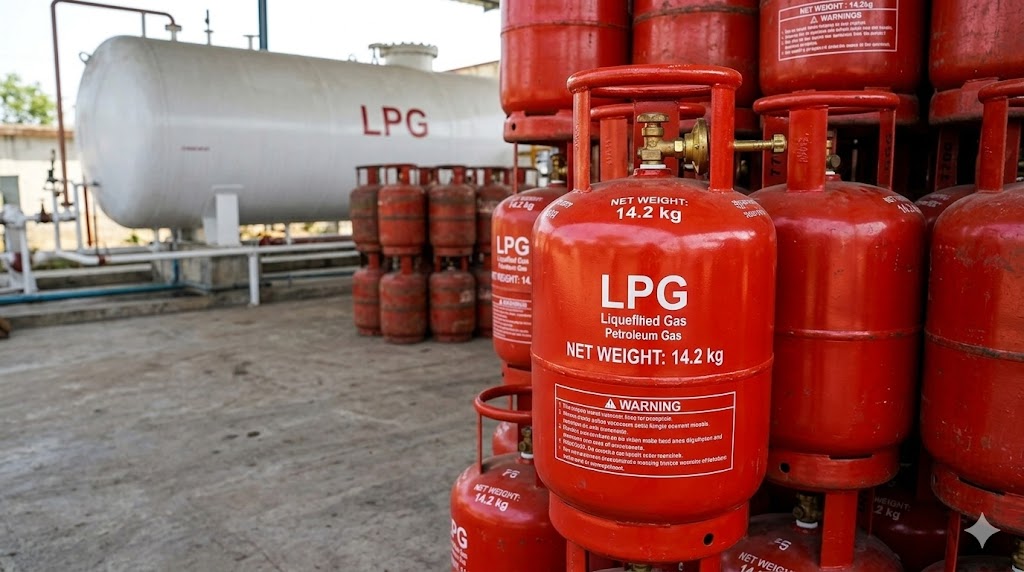
Liquified Petroleum Gas (LPG)
Liquefied Petroleum Gas(LPG) is a mixture of hydrocarbon gases and is commonly used in every household for cooking. Facts to know It is a portable, clean, and efficient energy source. LPG is primarily obtained from natural gas and oil production, … Continue reading
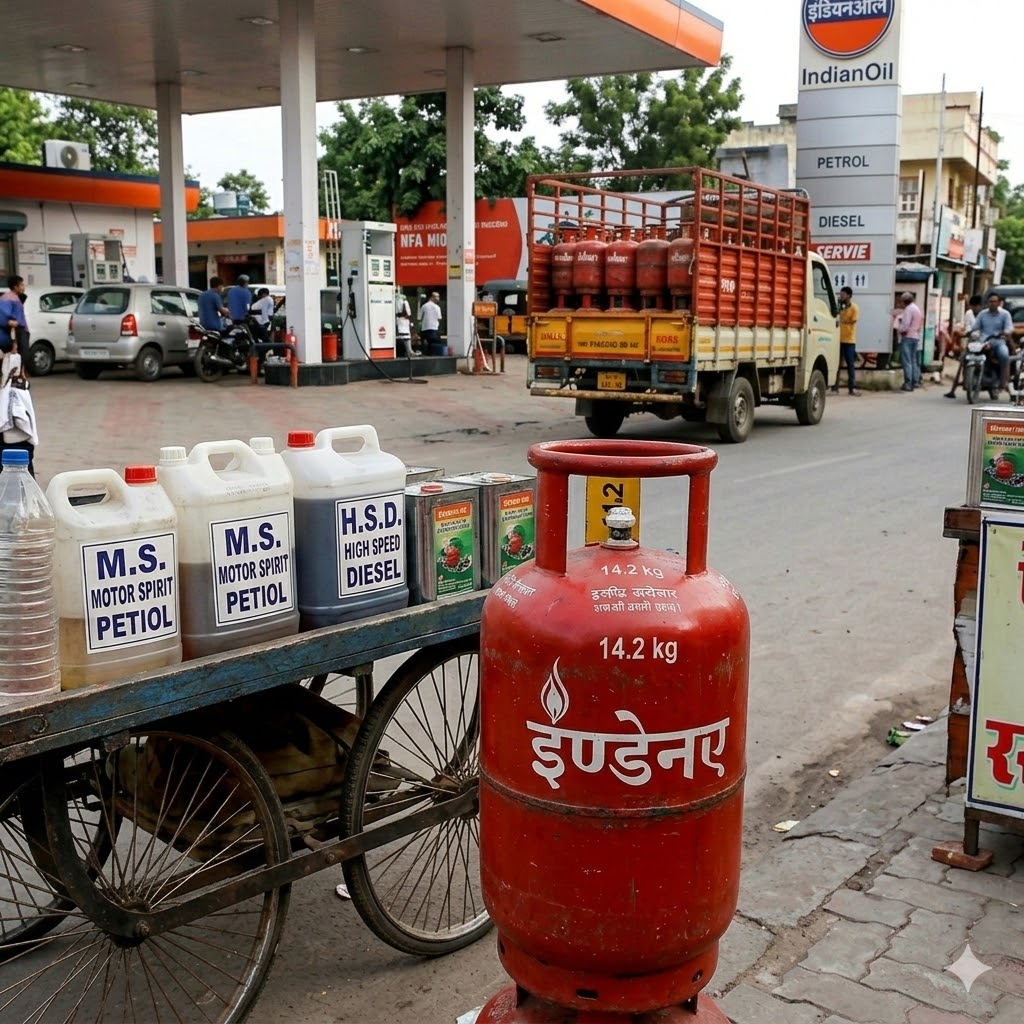
Essential Commodities Act, 1955
To ensure black marketing of goods is not undertaken and thereby ensure continuous supply of materials at optimal prices government introduced the Essential Commodities Act, 1955. Facts to Know About Drugs, Fertilizer, Petroleum, oilseeds and oils, Raw jute and jute … Continue reading

Women Empowerment Schemes
NITI Aayog report states that women constitute nearly half of India’s population but contribute only 18% to the GDP. Effective implementation of schemes can help in improving the role of women in society and increasing the GDP contribution. Highlights of … Continue reading