

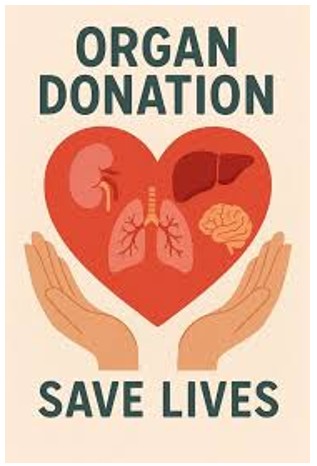
National Organ and Tissue Transplant Organization (NOTTO)
The National Organ and Tissue Transplant Organization focuses on addressing the challenges associated with organ donation and making the process more transparent. What do you need to know? Under the control of the Directorate General of Health Services, Ministry of … Continue reading
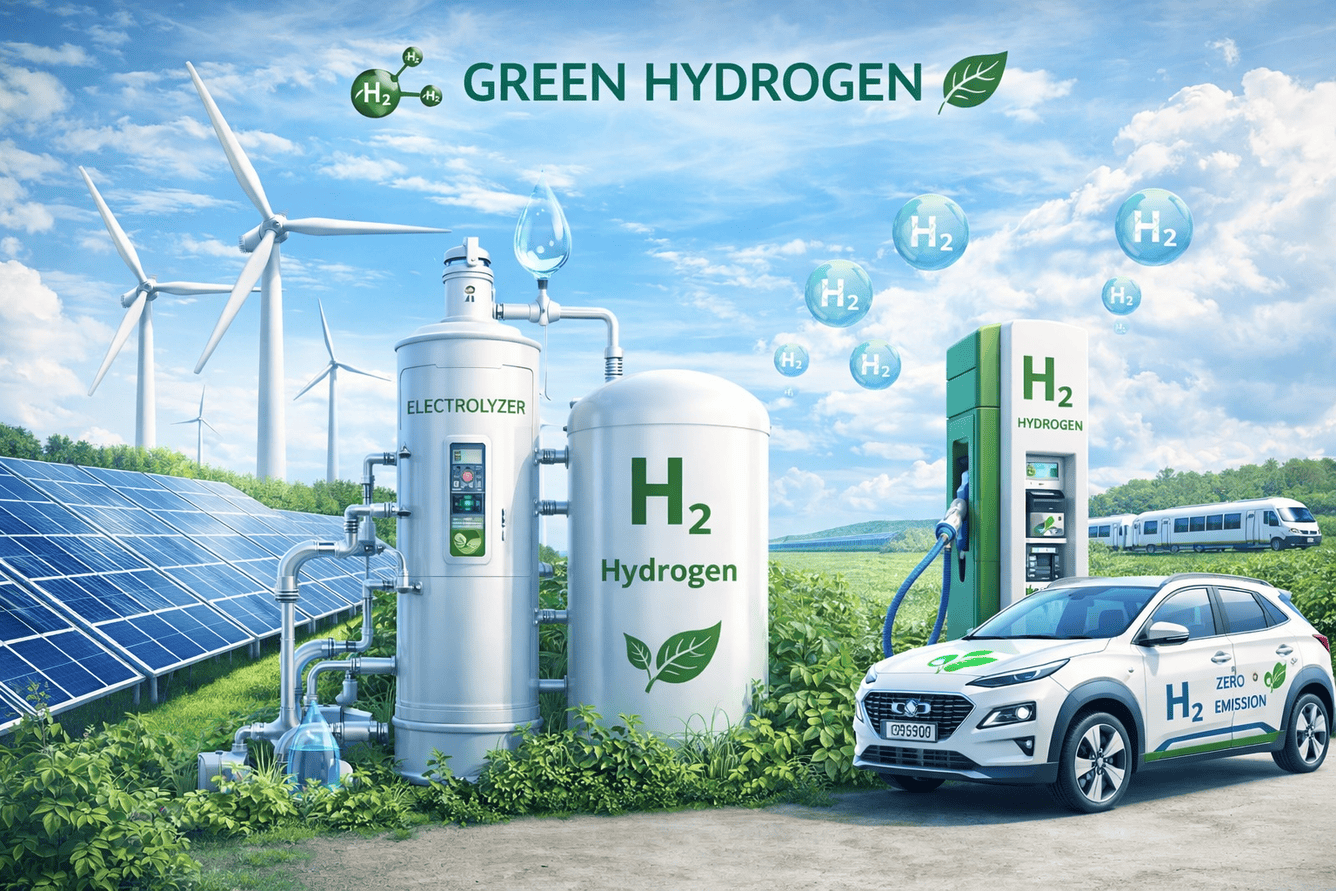
Green Hydrogen
Green hydrogen (GH2 or GH 2 ) is hydrogen produced by the electrolysis of water, using renewable electricity. What are the features? Will help in achieving decarbonisation of the economy, Reduced dependence on fossil fuel imports. Enable India to assume … Continue reading
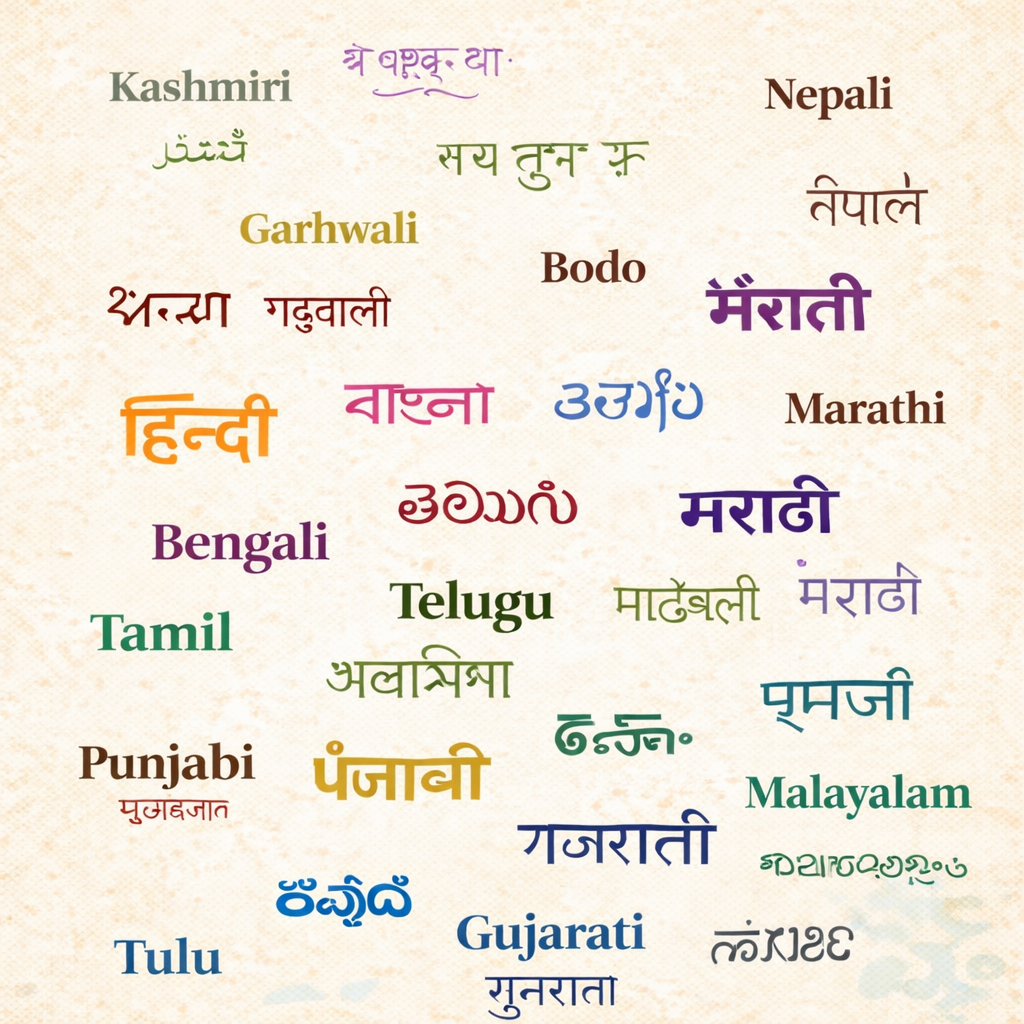
8th Schedule
The Eighth Schedule to the Indian Constitution (Articles 344(1) and 351) recognizes 22 official languages. What is eight schedule? The schedule of constitution which speaks of the different languages under constitution. 14 languages were initially included in the Constitution, which … Continue reading
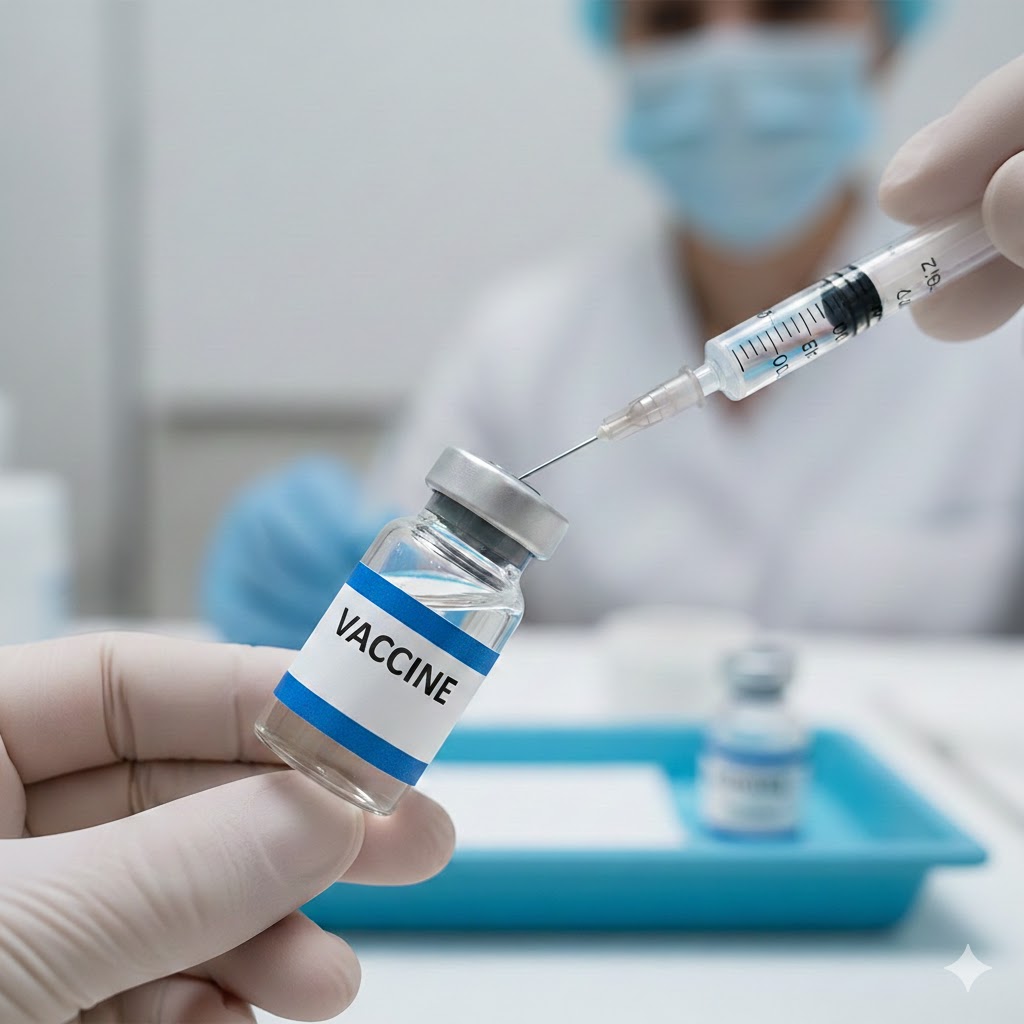
Universal Immunization Programme
Immunization is a vital, cost-effective public health process that strengthens the immune system against infectious diseases using vaccines. In India, for ensuring vaccine-preventable diseases are controlled Government Of India has brought in two schemes: Universal Immunization Programme and Mission Indradhanush. Mission … Continue reading
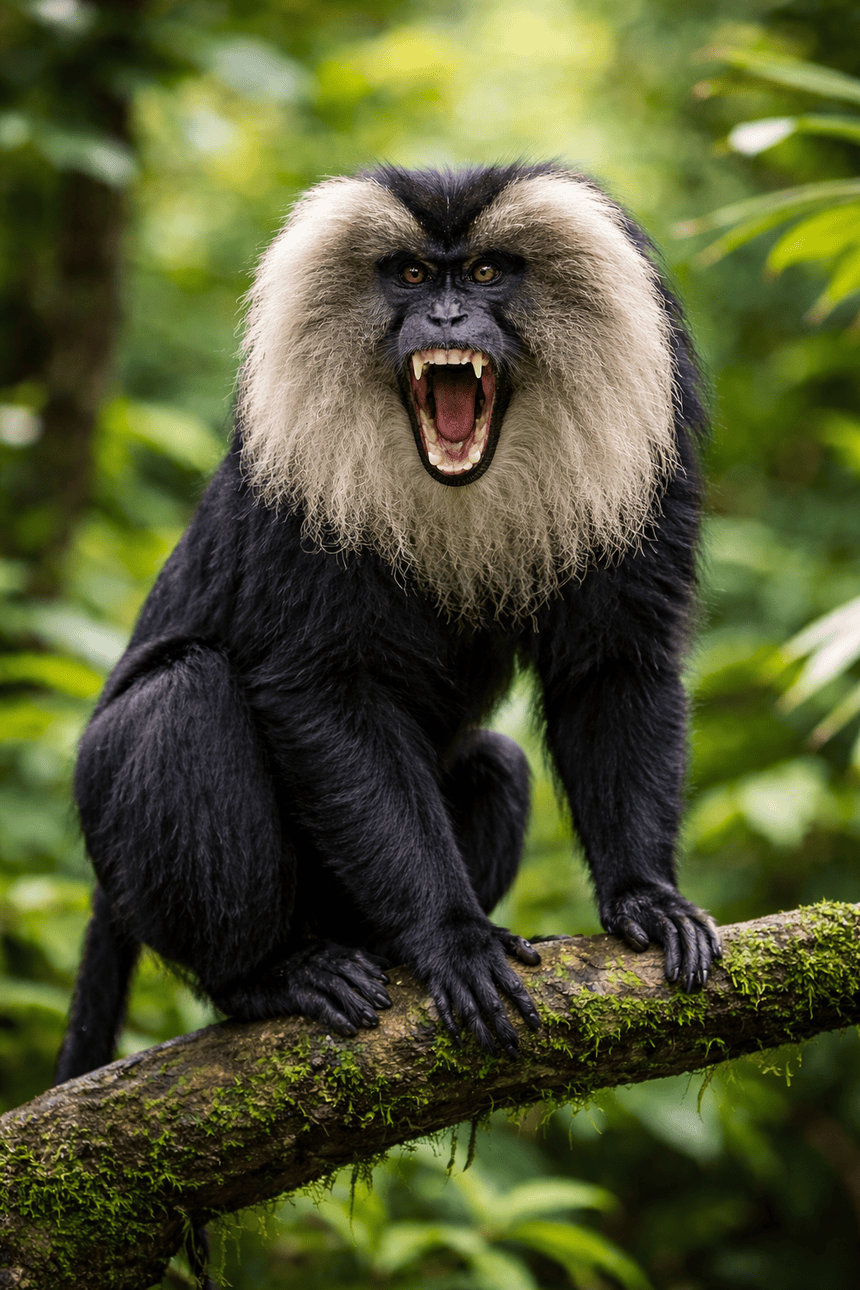
Lion-tailed Macaque
Their tail resembles a lion’s tail, which is where the name ‘lion-tailed macaque’ comes from. Just like other macaques, these monkeys also have cheek pouches to temporarily store food. Where are they located? Lion-tailed macaques are only native to the … Continue reading
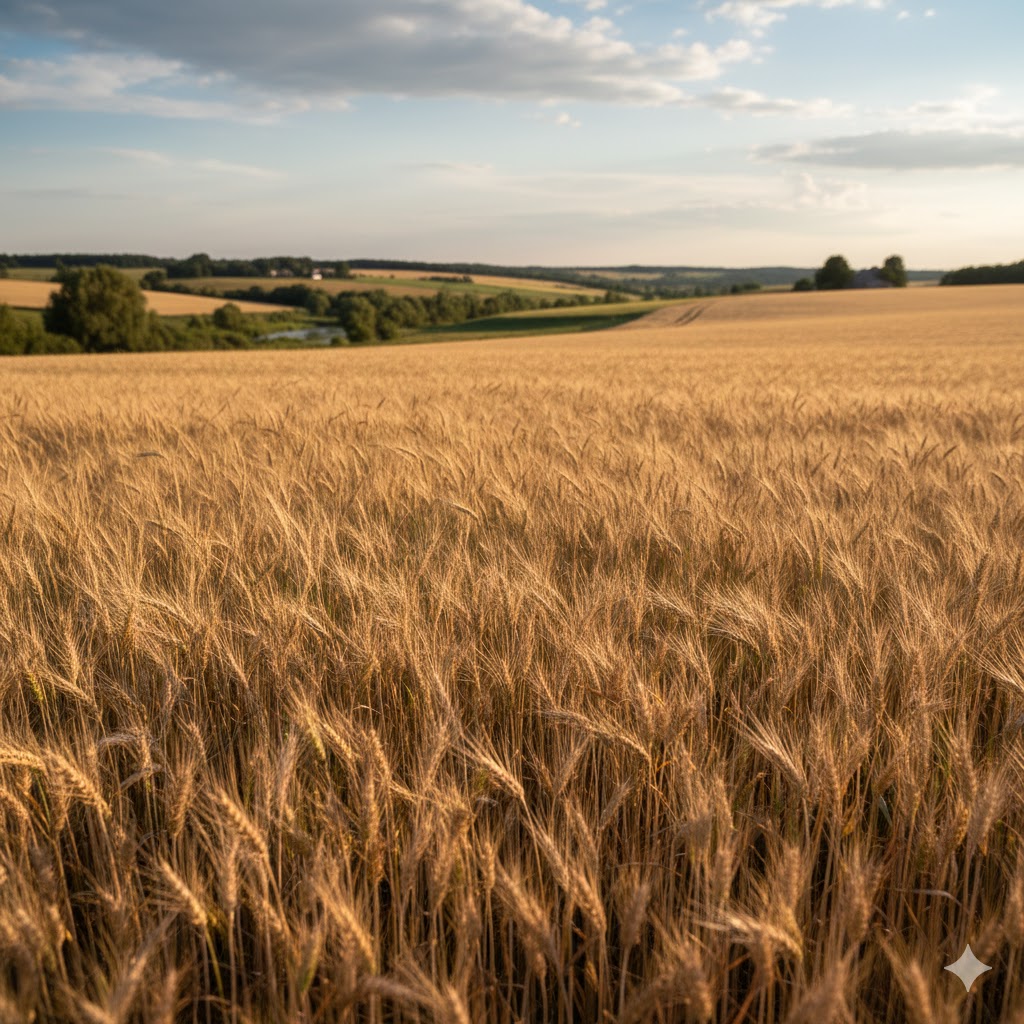
Minimum Support Price (MSP)
Minimum Support Price (MSP) is a mechanism through which the government supports farmers by purchasing their crops at a pre-determined price. This assured price encourages farmers to invest in quality seeds and technology without fear of distress sales. What do you … Continue reading