

Current Affairs
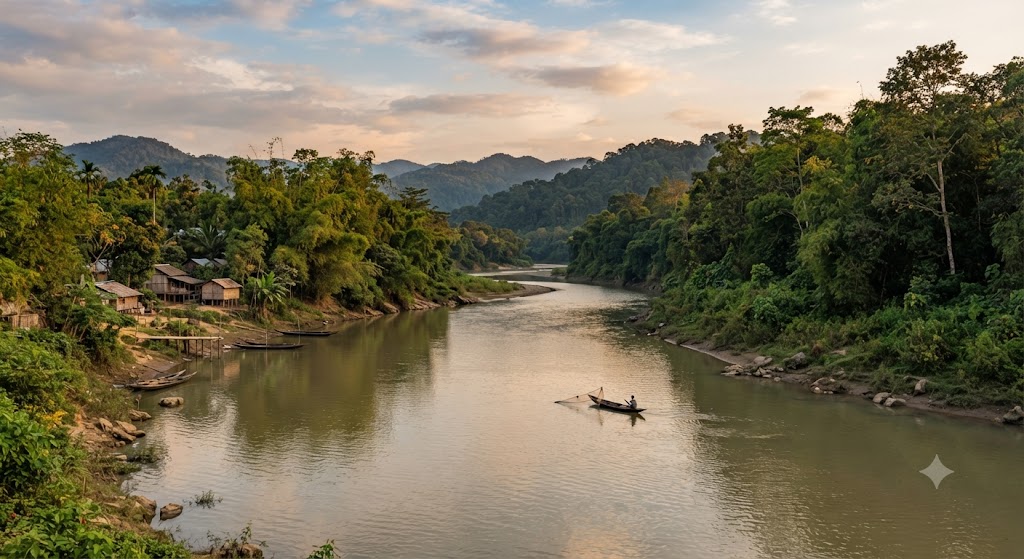
Kulsi River
Origin: Hills of Meghalaya, particularly the Khasi Hills region. States: Meghalaya and Assam. River System: Tributary of the Brahmaputra River. Confluence: Joins the Brahmaputra River in Assam. River Type: Perennial river Threats: Sand mining, dam construction, overfishing. Ecological Significance Feeding … Continue reading

United Nations Human Rights Council (UNHRC)
What is it?: The United Nations Human Rights Council (UNHRC) is the principal intergovernmental body within the UN system responsible for promoting and protecting human rights globally. Formation: It replaced the former UN Commission on Human Rights in 2006 through … Continue reading
Foreign Exchange Risk Reserve (FERR)
It is designed to make large dollar-buying hedges costlier, discourage speculative demand for dollars, and support orderly functioning of the forex market amid rupee pressure The Foreign Exchange Risk Reserve (FERR) is a critical monetary and regulatory policy tool introduced … Continue reading


International Criminal Court (ICC)
What is it?: The International Criminal Court (ICC) is an intergovernmental organisation and international tribunal. Formation It is the first permanently established international criminal court. The Rome Statute, its foundational document, became effective on July 1, 2002. Headquarters: The Hague, … Continue reading
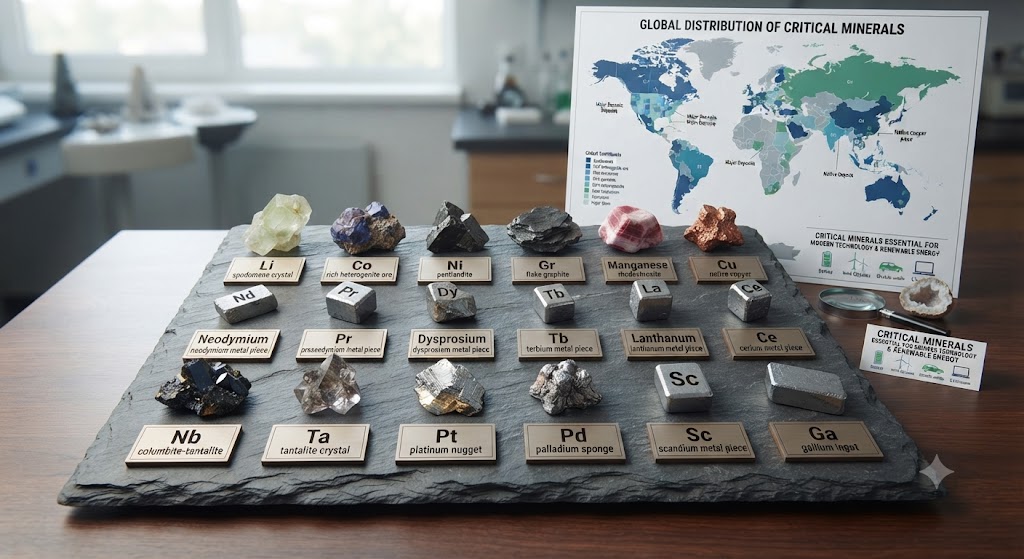
Critical Minerals
Critical minerals are those minerals that are essential for economic development and national security of a country. Examples: Lithium, Cobalt, Nickel, and Graphite etc. Major Features High supply risk Limited substitutes Strategic importance Applications Green Energy: Lithium, cobalt, and nickel … Continue reading


Tuberculosis
Cause: Bacterium called Mycobacterium tuberculosis Affects: TB most commonly affects the lungs. Transmission: TB is spread from person to person through the air. Symptoms: Fever, fatigue, weight loss, persistent cough, blood in cough and night sweats. Treatment: TB is a … Continue reading
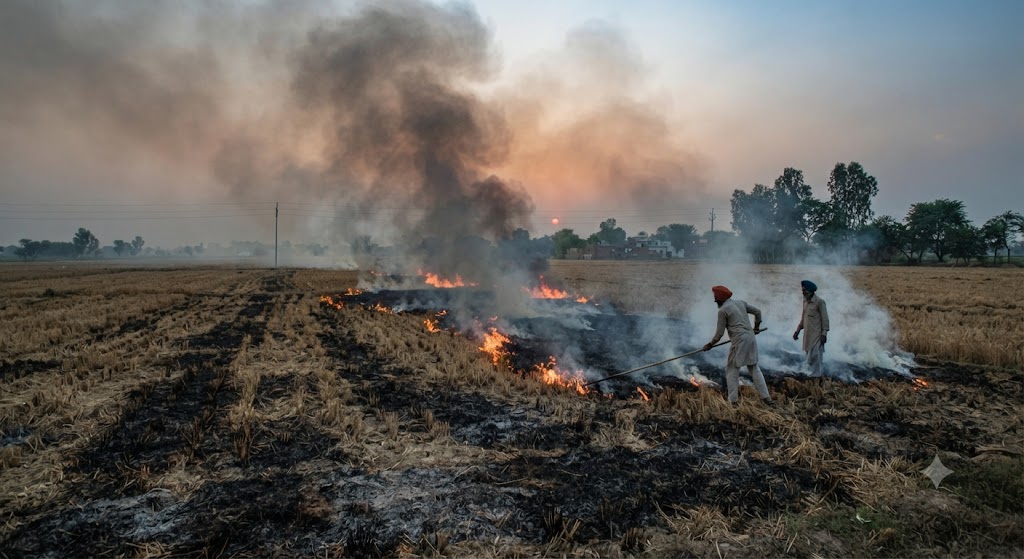
Stubble Burning
Stubble burning, also known as parali burning, is the practice of setting fire to leftover crop residue in fields after harvest. This is a prevalent practice in North-West India, particularly in states like Punjab, Haryana, and Uttar Pradesh. Reasons for … Continue reading
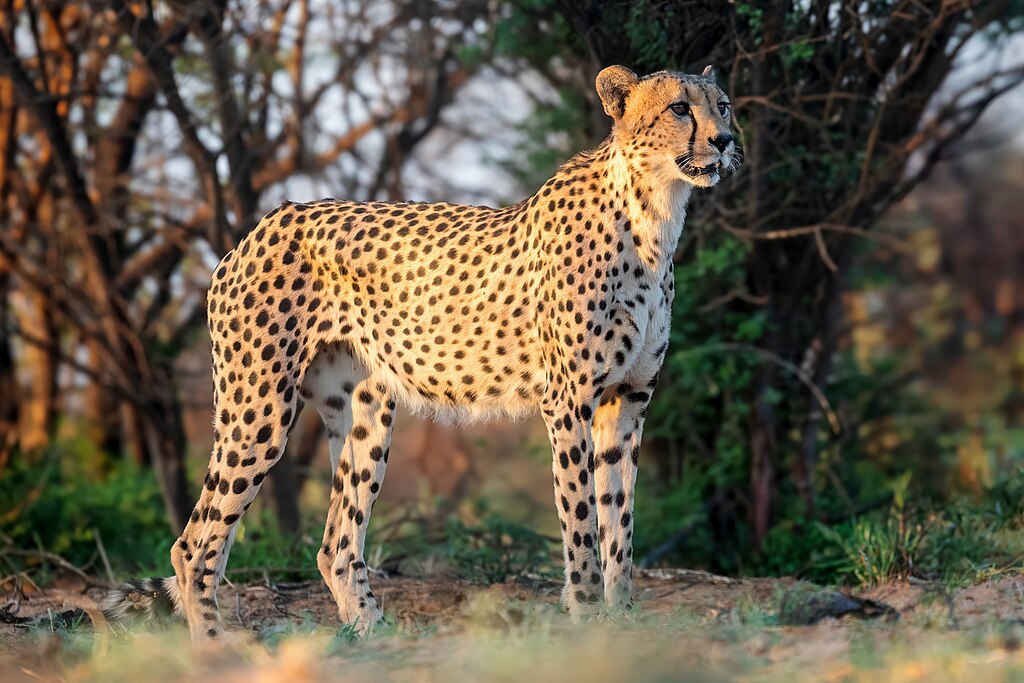
Cheetah Reintroduction Sites in India and Ecological Impact of Cheetah Reintroduction
Cheetah Reintroduction Sites in India Madhya Pradesh Kuno National Park Gandhi Sagar National Park Veerangana Durgavati Tiger Reserve Ecological Impact of Cheetah Reintroduction Positive Impact Restoration of Neglected Biomes: Elevates open natural ecosystems (grasslands, scrub forests, and semi-arid tracts) that … Continue reading