

Environment
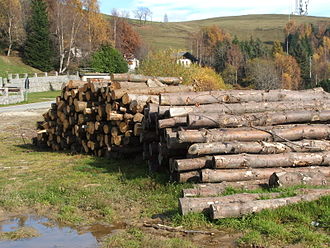
Ecology: Ecosystem Services
Provisioning Services: These are the products directly obtained from ecosystems, such as food, water, timber, fibres, and medicinal resources. For instance, forests provide wood and medicinal plants, while marine ecosystems offer fish and other seafood. Regulating Services These include ecosystem … Continue reading
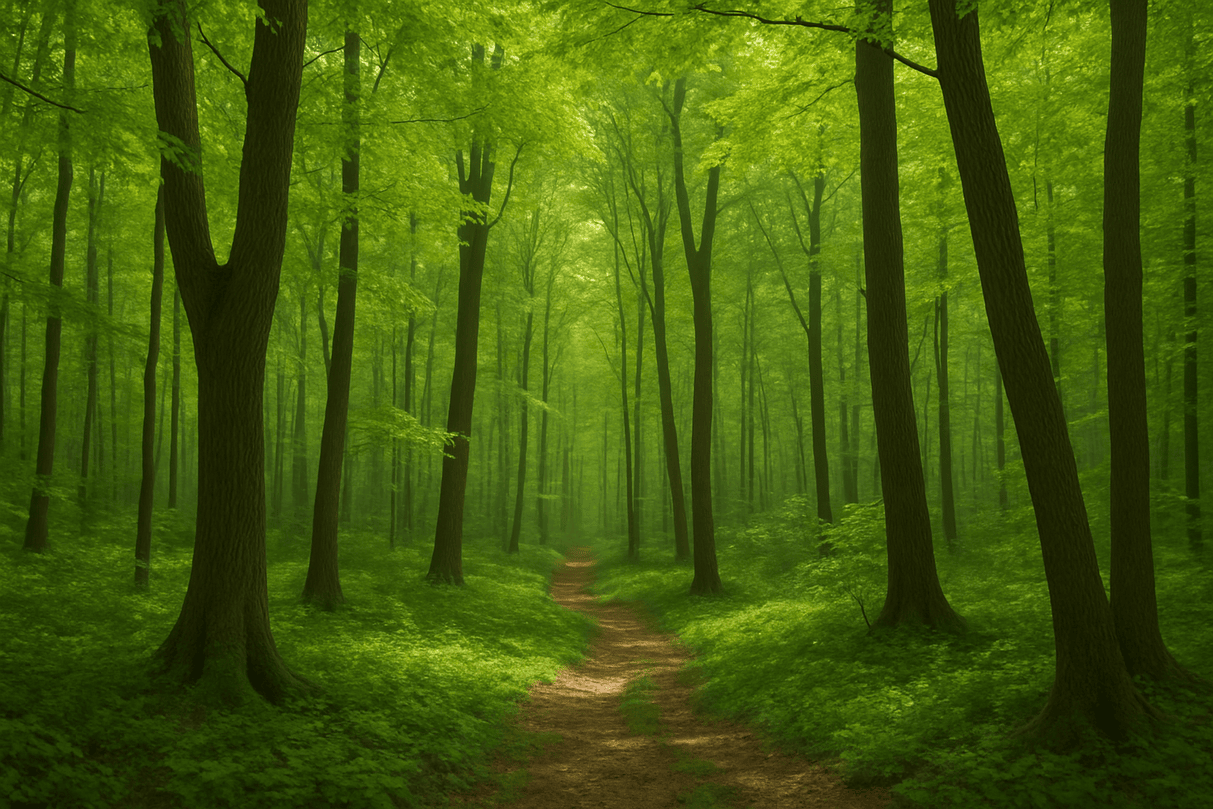
Ecology: Ecological Succession
What is it? Ecological succession is the steady and gradual change in a species of a given area with respect to the changing environment. The succession moves towards achieving an equilibrium in the environment. In some environments, succession reaches a … Continue reading
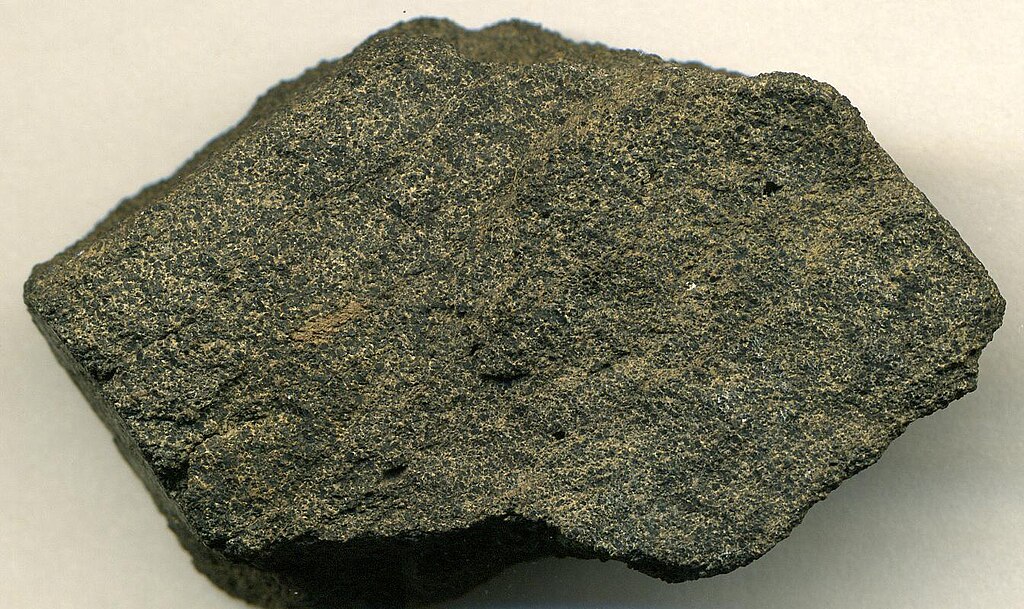
Ecology: Phosphorus Cycle (Sedimentary Cycle)
What is it? The phosphorus cycle is the sedimentary biogeochemical cycle that describes the movement of phosphorus through the lithosphere, hydrosphere, and biosphere. Process Involved Tectonic uplift and exposure of phosphorus-bearing rocks such as apatite to surface weathering. Physical erosion … Continue reading
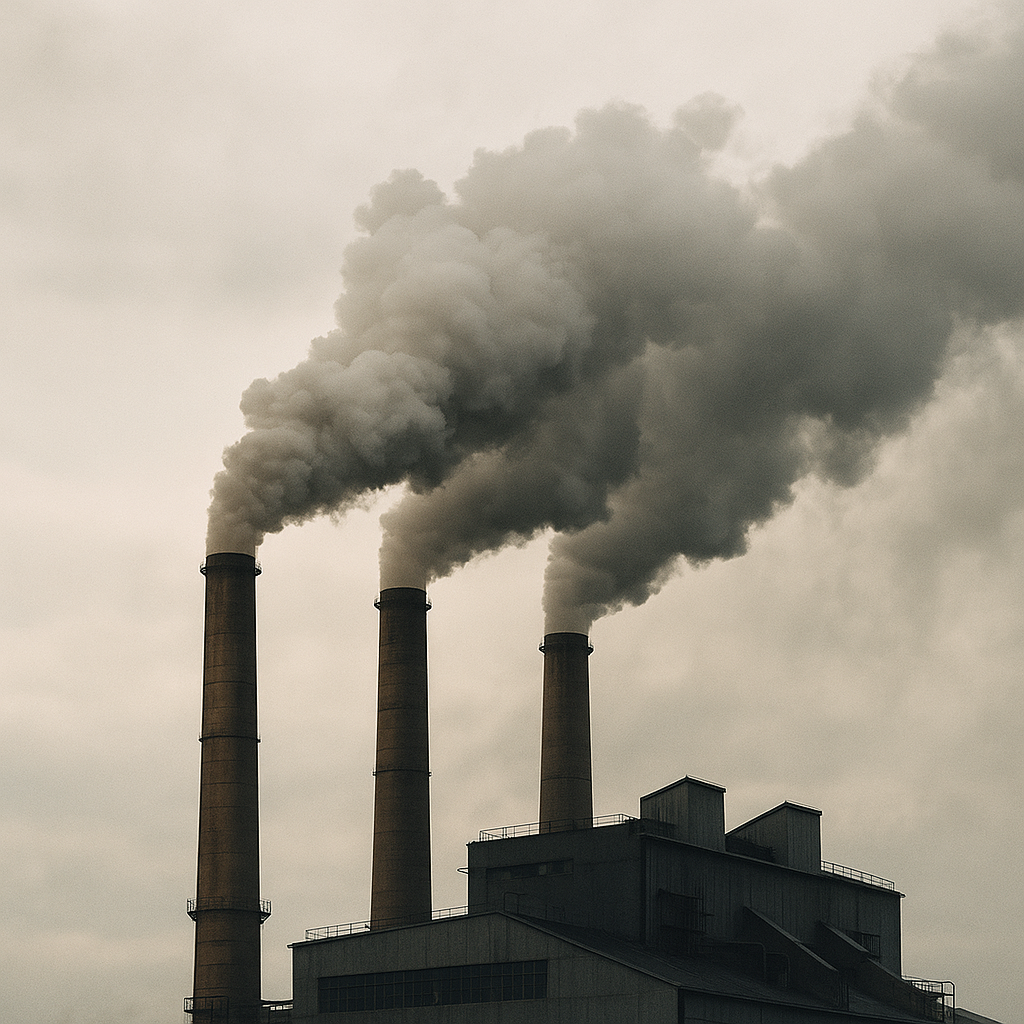
Ecology: Sulphur Cycle (Sedimentary Cycle)
What is it? The weathering of rocks releases the sulphur. Sulphur comes in contact with air and is converted into sulphates. Sulphates are taken up by plants and microbes and are converted into organic forms. The organic form of sulphur … Continue reading
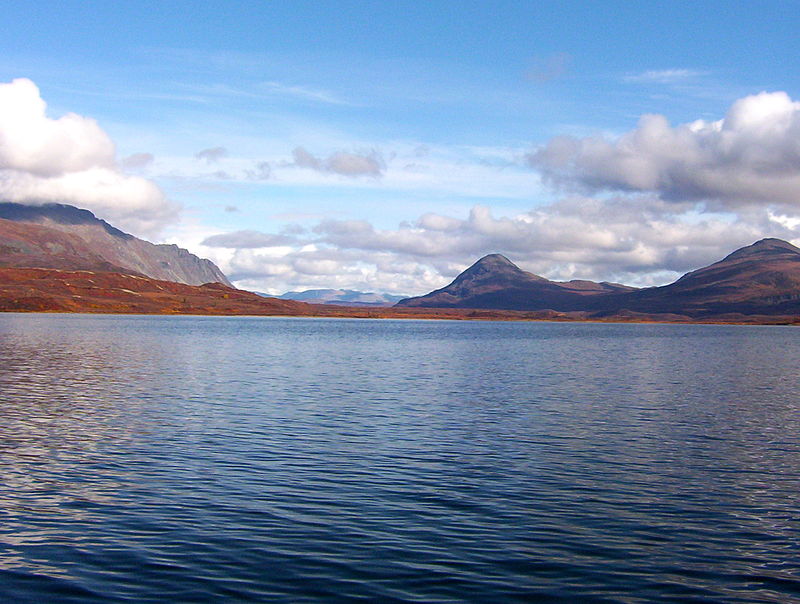
Ecology: Water Cycle (Gaseous Cycle)
What is it? The hydrological cycle encompasses the ongoing movement of water within the Earth-Atmosphere system. Process Involved Evaporation: A material changes from a liquid to a gas through evaporation. Transpiration: Water from plants evaporates through stomata during transpiration. Condensation: … Continue reading
Ecology: Carbon Cycle (Gaseous Cycle)
What is it? The carbon cycle is an important biogeochemical cycle that involves the continuous movement and exchange of carbon in various forms among the atmosphere, terrestrial ecosystems, ocean and Earth’s geosphere (rock and soil). The carbon cycle involves the … Continue reading
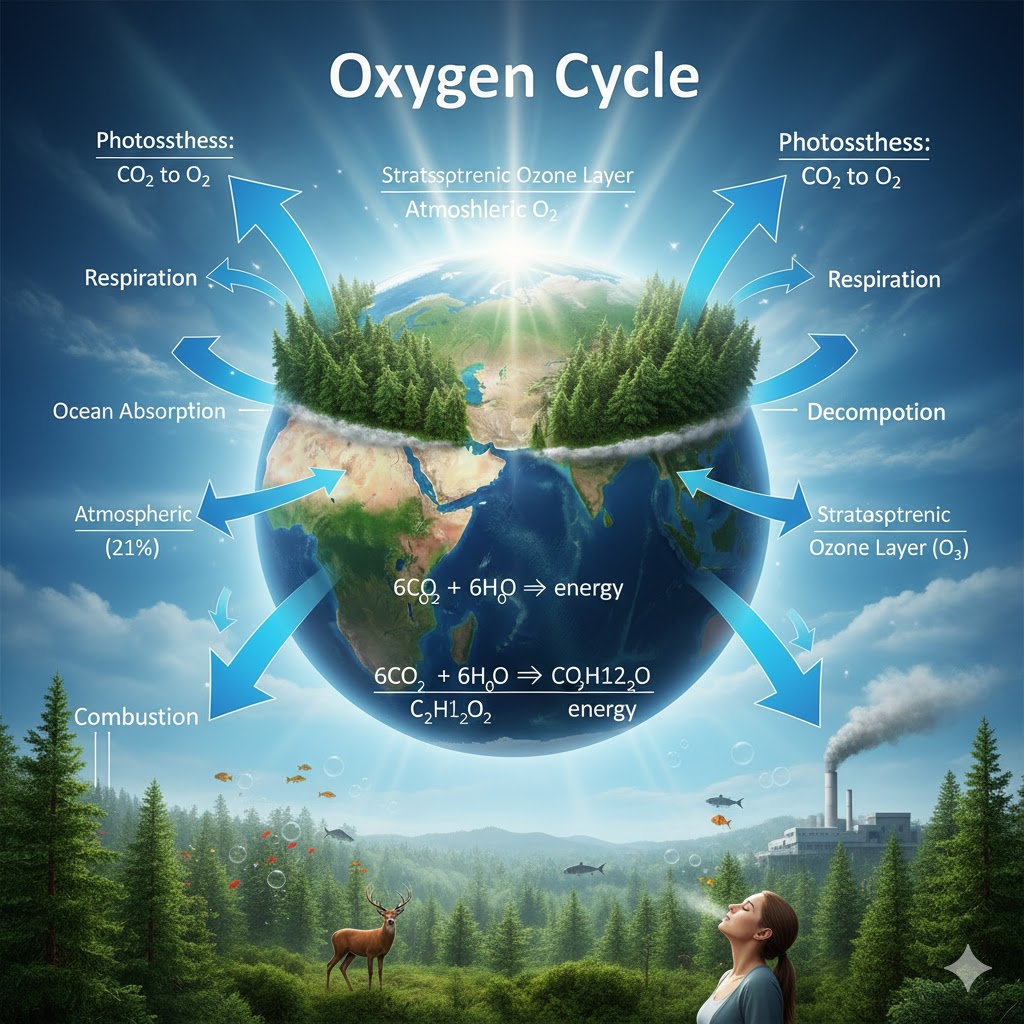
Ecology: Oxygen Cycle (Gaseous Cycle)
What is it? The transfer of oxygen through the atmosphere (air), Biosphere (plants and animals), and Lithosphere (the earth’s crust) is referred to as the oxygen cycle. The oxygen cycle depicts how free oxygen is produced and used in each … Continue reading
Ecology: Nitrogen Cycle (Gaseous Cycle)
What is it? The nitrogen cycle is a biogeochemical cycle by which nitrogen is converted into multiple chemical forms as it circulates through the atmosphere, and the terrestrial, and marine ecosystems. The conversion of nitrogen can be carried out through … Continue reading
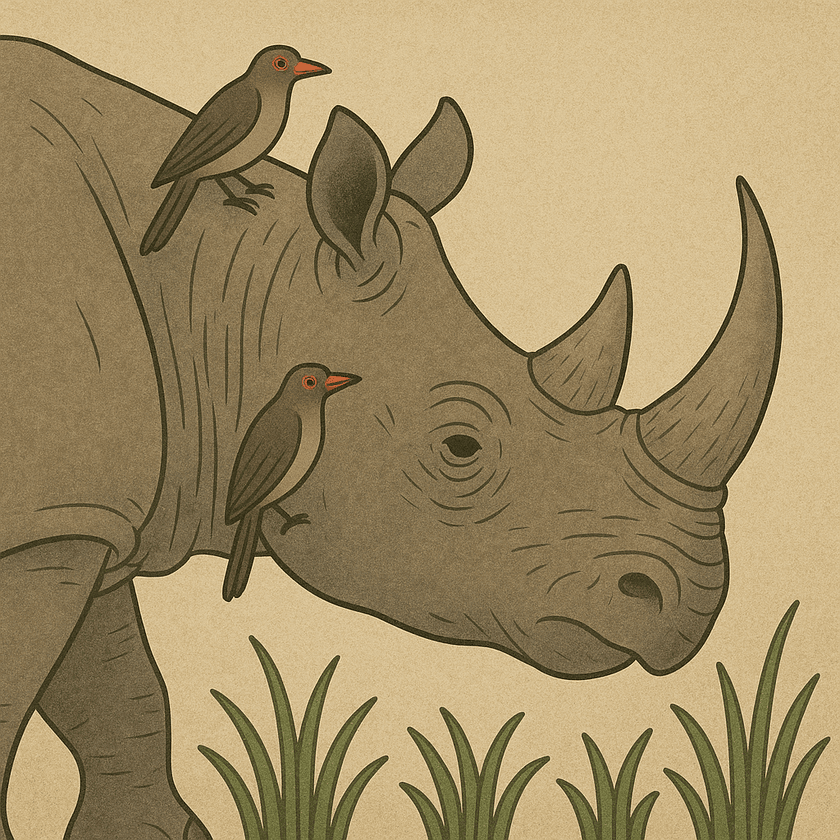
Ecology: Biotic Interaction
Mutualism It is a mutually beneficial relationship between two organisms. For example – Rhinos and Oxpeckers Commensalism In this interaction one species is benefited and other one is neither benefited or harmed. For example – Shark and sucker fish. Parasitism … Continue reading
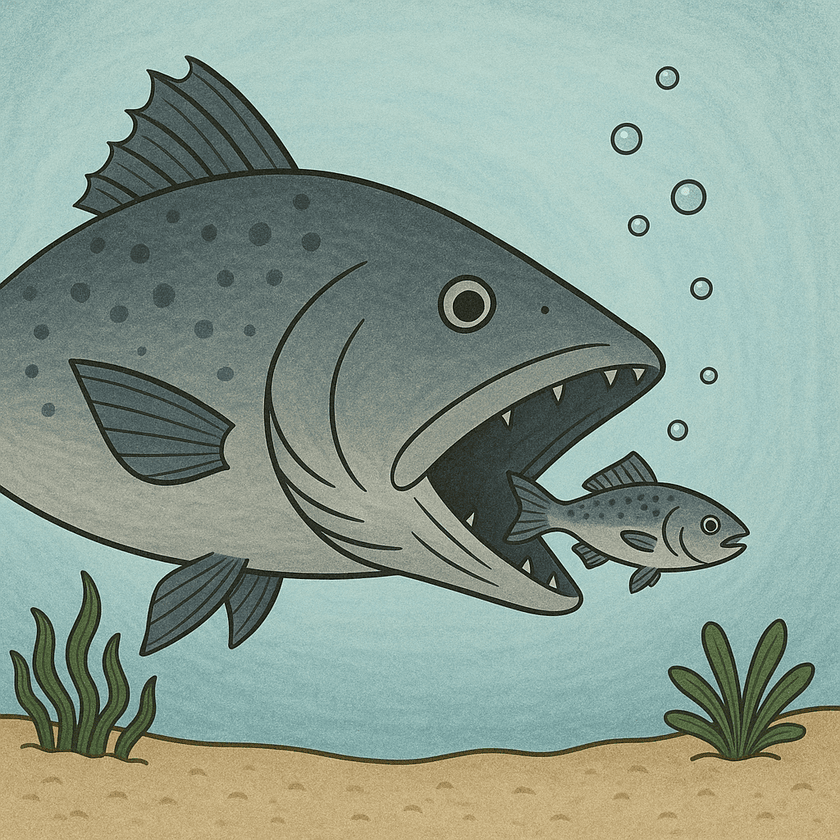
Ecology: Bioaccumulation and Biomagnification
Bioaccumulation Bioaccumulation is the gradual accumulation of substances, such as pesticides or other chemicals, in an organism. It occurs when an organism absorbs a substance at a rate faster than that at which the substance is lost or eliminated by … Continue reading