Vedic Literature and Vedic Society
- The Vedic period in Indian history is a crucial time that is often divided into two main phases: the Early Vedic period (1500 BCE to 1000 BCE) and the Later Vedic period (1000 BCE to 600 BCE).
Vedic Literature
- Two parts, namely, ‘shruti’ and ‘smriti’.
- Shruits
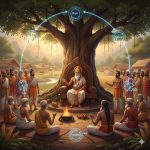
- The books “that are heard” or the result of “Godly revelation” given to the great sages (rishis) during their “dhyana” (concentration) are known as shrutis.
- The “shrutis” comprise the four Vedas and the Samhitas.
- Smritis
- Conversely, “smritis” are those that average people remember.
- The Smritis comprises six Vedangas, four Upavedas, and extensive commentary and explanations on the Vedas (Brahmanas, Aranyakas, and Upanishads).
- Shruits
- Types of Vedas
- Rigveda
- Oldest Veda
- Hymns are dedicated to several deities, mostly to Indra.
- Divided into ten books (known as mandalas)
- Samaveda
- Shortest of all the four Vedas.
- The Samaveda is a compilation of Rigvedic verses organized in poetry to facilitate singing.
- Yajurveda
- It is principally in prose form.
- Sacrifices and rituals, composed both in prose and poetry.
- Atharvaveda
- The latest among the Vedas and contains hymns.
- It is a compilation of magical spells and charms that are used to ward off evil spirits and diseases.
- Rigveda
Vedic Society
- Early Vedic Society
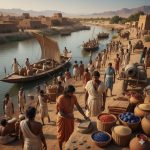
- Communities comprised populations called ‘Jana’.
- Egalitarian Society with no sharp division among them.
- Only Aryans and Dasa (non-Aryans) with fair or dark complexions are referred to by the name Varna in the Rig Veda.
- The society was composed of four varnas: Brahmans, Kshatriya, Vaisya and Shudra.
- Patrilineal Society but women were treated with dignity and honour.
- Child marriage and Sati were not practiced, and a type of widow-remarriage known as ‘Niyoga’ (levirate) was common.
- Worshipped forces of nature and personified them as gods and goddesses.
- Indra, Agni, Varuna, and Marut were some of their gods while Ushas, Aditi, and Prithvi were some of their goddesses.
- Later Vedic
- The visible 4-fold varna system and the appearance of several ‘jaatis’ or castes made the social system complex.
- The rise in various crafts, the influx of new people, inter-caste marriages (between Anuloma and Pratiloma), and the incorporation of several tribes into the caste system all contributed to the increase in the number of castes.
- Royal power increased.
- The Rigvedic gods, Indra and Agni, lost prominence in the later Vedic period, and their place was taken by a new trinity of Gods, with Brahma as highest, Vishnu as preserver, and Shiva completing the triad. Religion evolved into a highly ceremonial practice.
- The position of women deteriorates. Purdah and Sati were not prevalent.
- 4-fold ‘ashram’ (stages) for 4 ‘Purusharthas’ (goals):
- Brahmacharya for knowledge i.e. Dharma.
- Grihastha for wealth and progeny i.e. ‘artha’ and ‘kama’.
- Vanaprastha for spiritual wisdom.
- Sanyasa for liberation.