

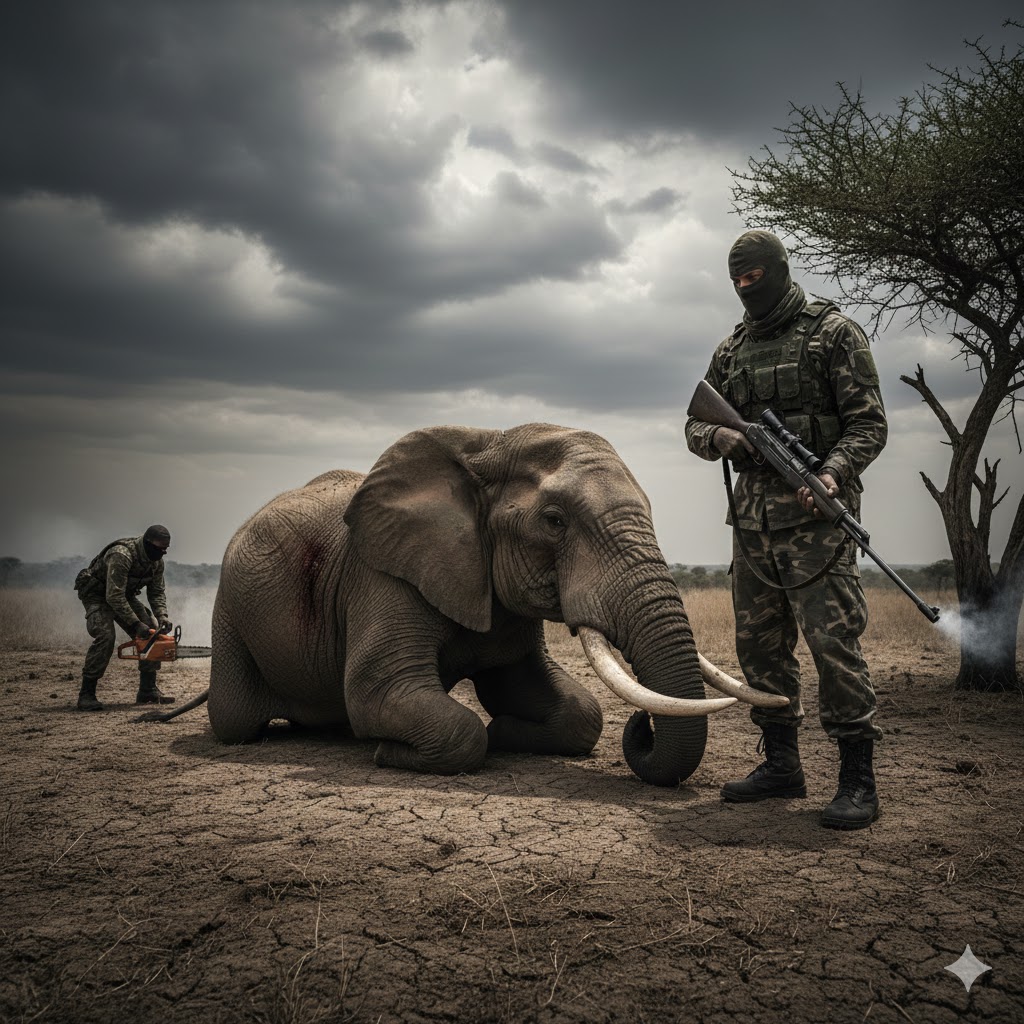
International Biodiversity Conservation Initiatives: MIKE
Fullform: Monitoring the Illegal Killing of Elephants (MIKE) Formation: Established in 1997 by the Convention on International Trade in Endangered Species of Wild Fauna and Flora (CITES). Aims: To monitor trends in elephant poaching across their range in Africa and … Continue reading

International Biodiversity Conservation Initiatives: CITES
Fullform: Convention on International Trade in Endangered Species of Wild Fauna and Flora What is it?: CITES, is a multilateral treaty designed to regulate and control international trade in species of plants and animals threatened by extinction. Origin: Adopted in … Continue reading
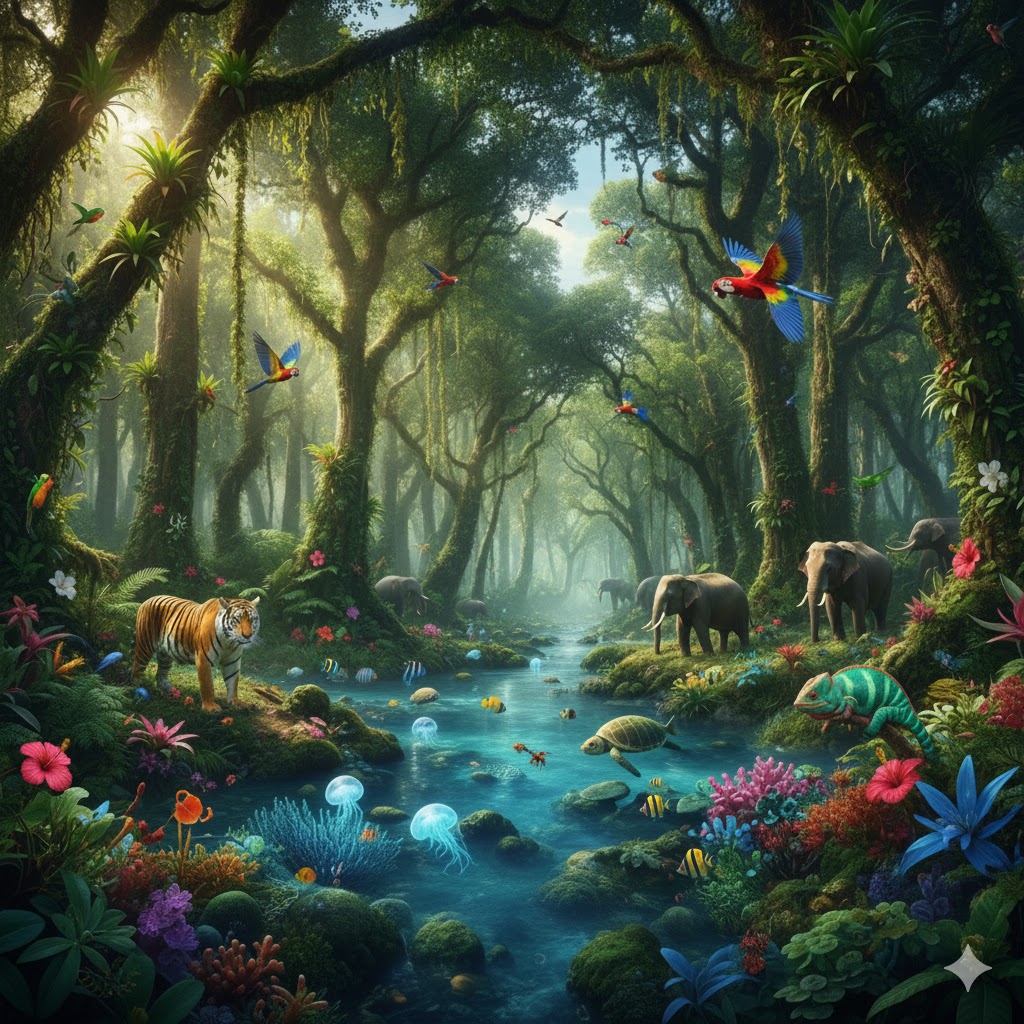
International Biodiversity Conservation Initiatives: Convention on Biological Diversity (CBD)
What is it?: Legally binding multilateral treaty established in 1992 during the Earth Summit in Rio de Janeiro. Aim: To achieve sustainable development through 3 main goals: The conservation of biological diversity. Sustainable utilisation of its components. Fair sharing of … Continue reading
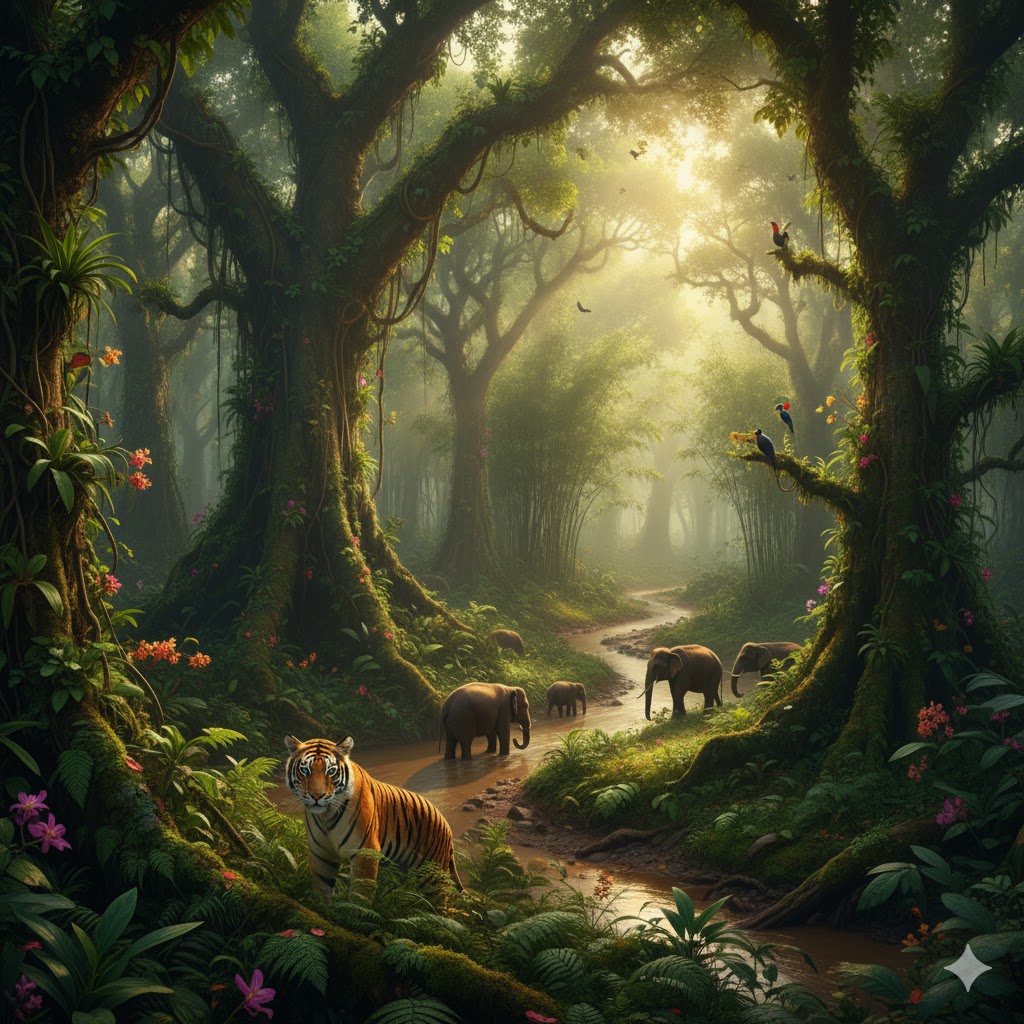
Biodiversity: Biomes of India
Tropical Rainforest Location: Restricted pockets in the Western Ghats (Kerala and Karnataka) and the Andaman and Nicobar Islands. Characteristics: Lush green forests with towering trees, abundant rainfall, and high humidity. The dense canopy cover shades the forest floor, creating a … Continue reading
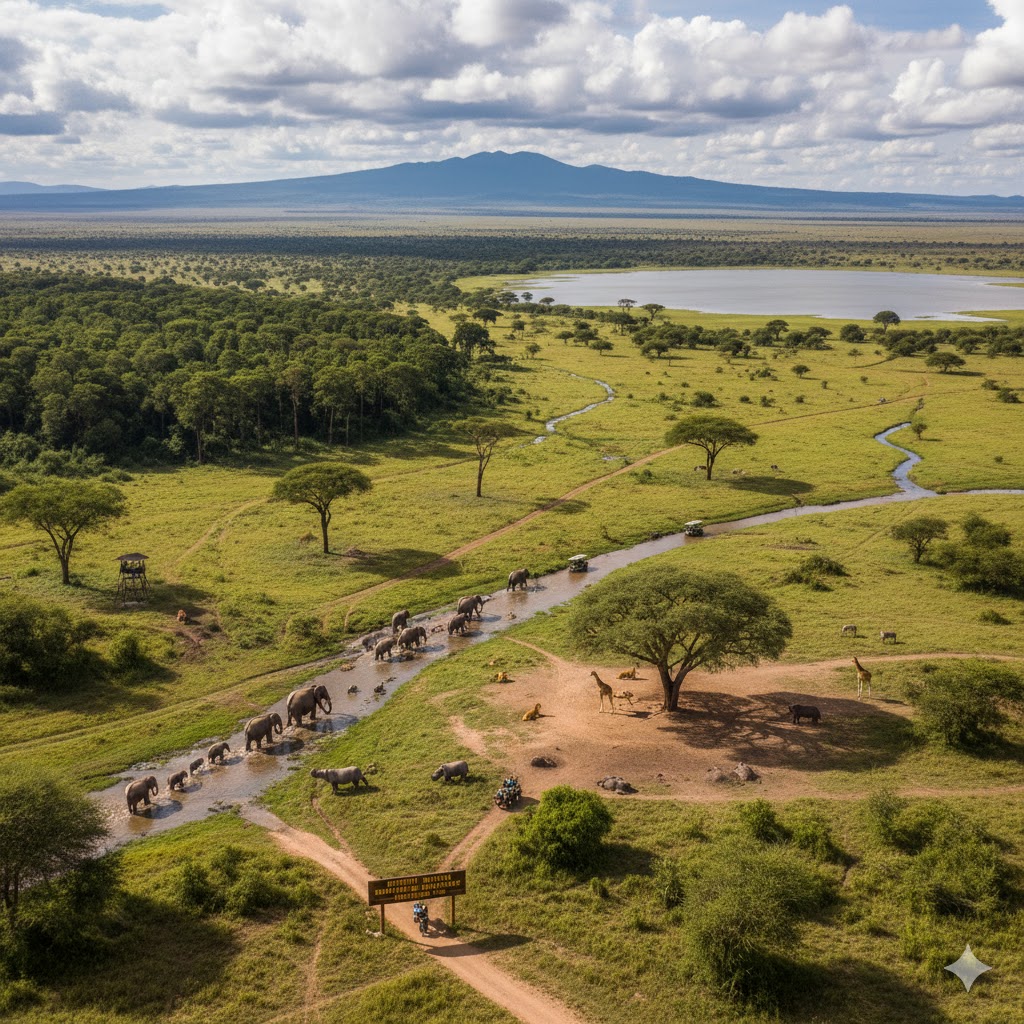
Biodiversity: Biomes in The World
Tropical Rainforest Location: Found around the equator in South America, Africa, Southeast Asia, and Oceania. Features: Lush, dense forests with abundant rainfall, high temperatures, and incredible biodiversity. Plants: Characterised by tall trees with broad leaves, epiphytes (plants that grow on … Continue reading
Biodiversity: Modes of Conservation
In-Situ Conservation (On-Site Conservation) Focuses on protecting and managing populations of species within their natural habitats. Aims to address the root causes of species decline within their ecosystems. Examples: Establishment of protected areas: National parks, wildlife sanctuaries, and bio reserves … Continue reading
Biodiversity: Measurement Of Biodiversity
Species Richness This is the simplest and most common way to measure biodiversity. It simply counts the number of species present in a specific area or ecosystem. Species richness provides a basic understanding of biodiversity but doesn’t account for the … Continue reading

Biodiversity: Significance and Threats
Significance of Biodiversity Food Webs: Supporting complex food chains and webs that transfer energy and nutrients. Nutrient Cycling: Breaking down and recycling organic matter, ensuring essential nutrients are available for all organisms. Natural Pest Control: Predators keep prey populations in … Continue reading
Sufi Movement
Sufi Movement Sufi Cult or Sufism is a mystical branch of Islam, a school of practice that emphasises the spiritual search for God and rejects materialism. It is a style of Islamic mysticism that emphasises asceticism. The word Sufi means … Continue reading
Bhakti Movement
Impact of Bhakti Movement The Bhakti saints were also social reformers. The evil practice of Sati and caste rigidities received some setbacks. Women were encouraged to join kirtans. Mirabai, Laila (Kashmir) and Andal composed verses that are popular even today. … Continue reading