

Ancient and Medieval History
Southern Kingdoms: Pandyas
Pandya Empire The Pandya Kingdom, or Madurai Pandyas, was a medieval Tamil kingdom in South India. It was a prehistoric Tamil nation in present-day South India. The Pandyas were one of three ancient Tamil kingdoms that ruled the Tamil nation … Continue reading
Tripartite Struggle: Rashtrakutas
Rashtrakuta Dynasty (753 – 982 CE) The Rashtrakuta Empire ruled over the Deccan for over 200 years, until the end of the 10th century. At different times, it also held territories in north and south India. Important Rulers Dantidurga- The … Continue reading
Tripartite Struggle: Palas
Pala Dynasty The Pala Dynasty was an influential Indian dynasty that ruled over regions of Bengal and Bihar. Their capital was initially at Gaur (near modern-day Malda in West Bengal) and later at Nalanda, which was a prominent centre of … Continue reading
Tripartite Struggle: Gurjara Pratiharas
Tripartite Struggle: Fight for Kannauj Gurjara-Pratiharas The Gurjara-Pratihara dynasty controlled North India from the sixth to the eleventh century. The dynasty’s name is a mixture of two words: Gurjara, which is said to allude to the territory of present-day Gujarat, … Continue reading
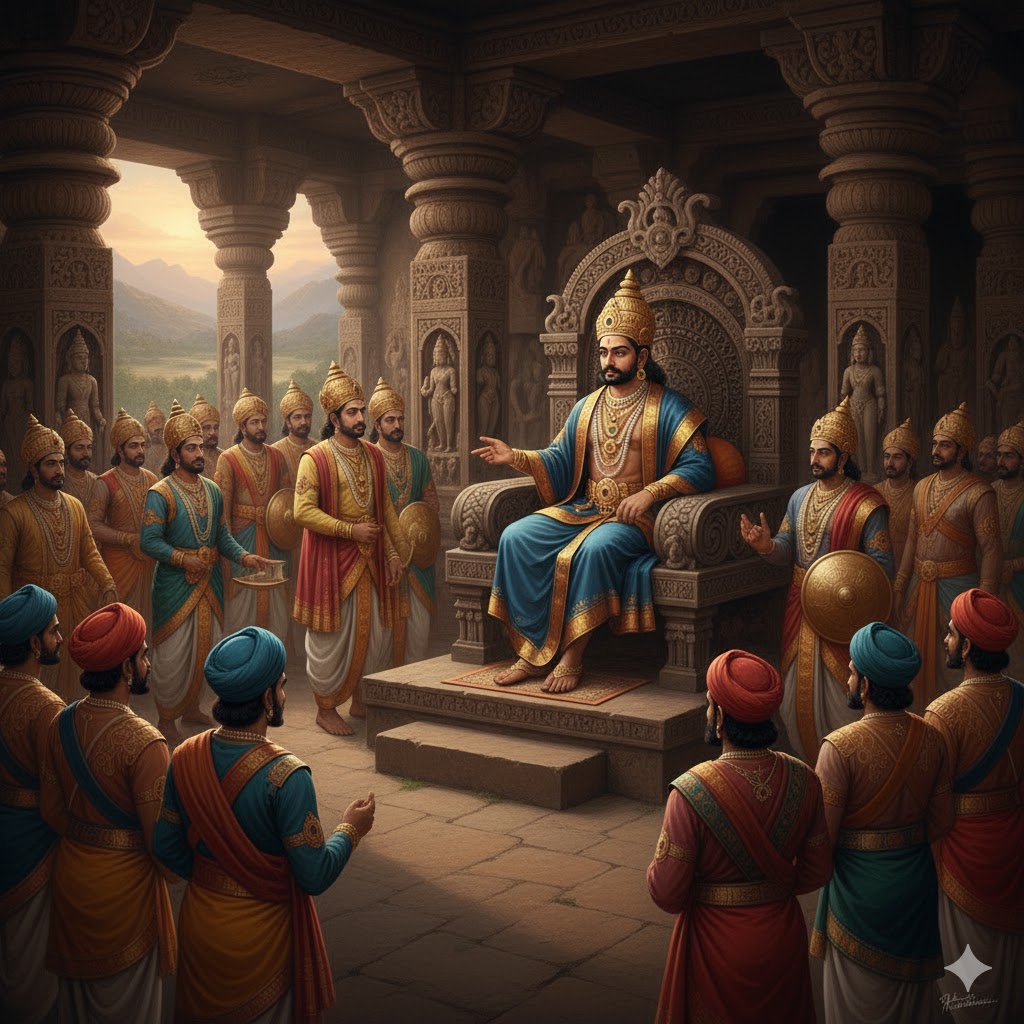
Post Gupta Dynasties: Chalukya Dynasty
Basics They established their kingdom in the Western Deccan at the beginning of the sixth century CE, with Vatapi (modern-day Badami) serving as their capital. Pulakeshin I founded this empire. He conducted the Ashvamedha, declaring himself sovereign. Pulakeshin II was … Continue reading
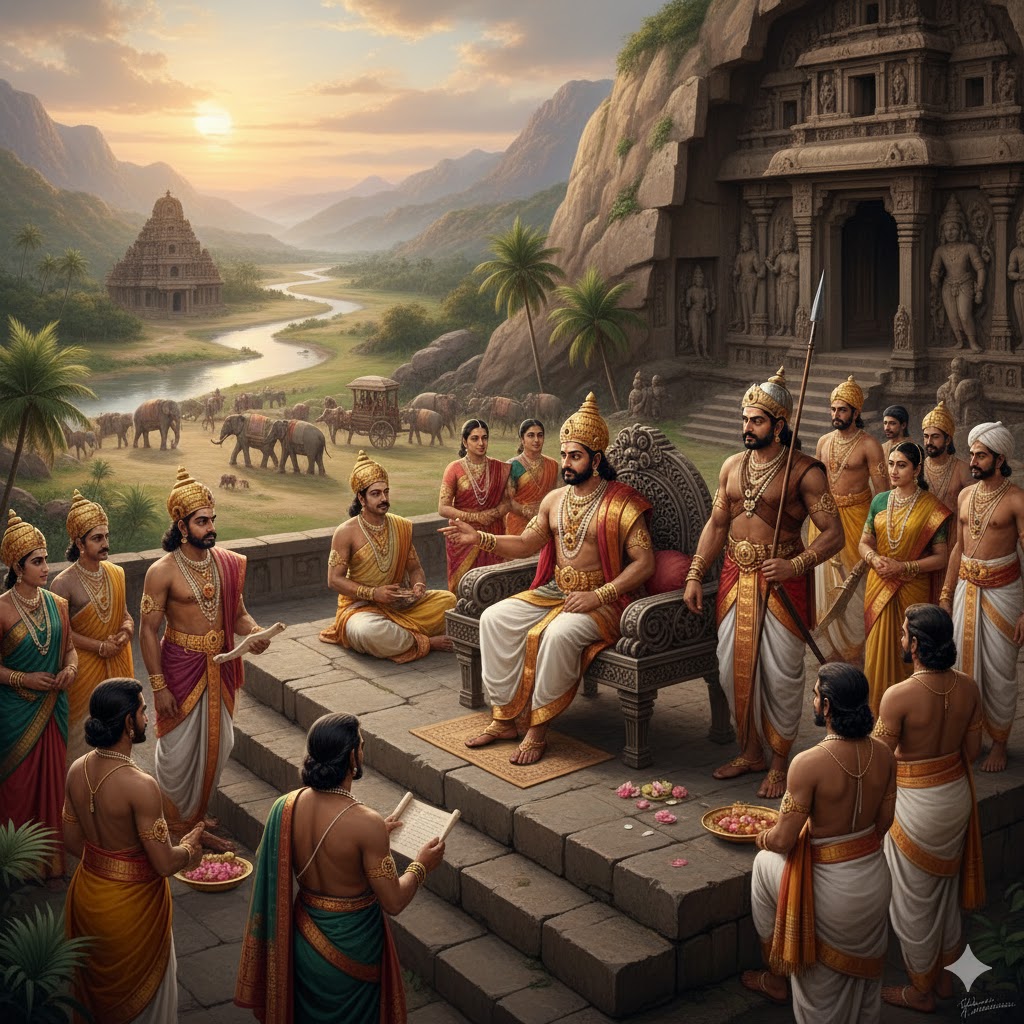
Post Gupta Dynasties: Pallava Period
Basics From 275 CE to 897 CE, the Pallava dynasty ruled much of the Deccan, also known as Tondaimandalam. The Pallavas had their capitals at Mahabalipuram (also known as Mamallapuram) and Kanchi. Important Rulers Simhavishnu (575-590 CE) Founder of the … Continue reading
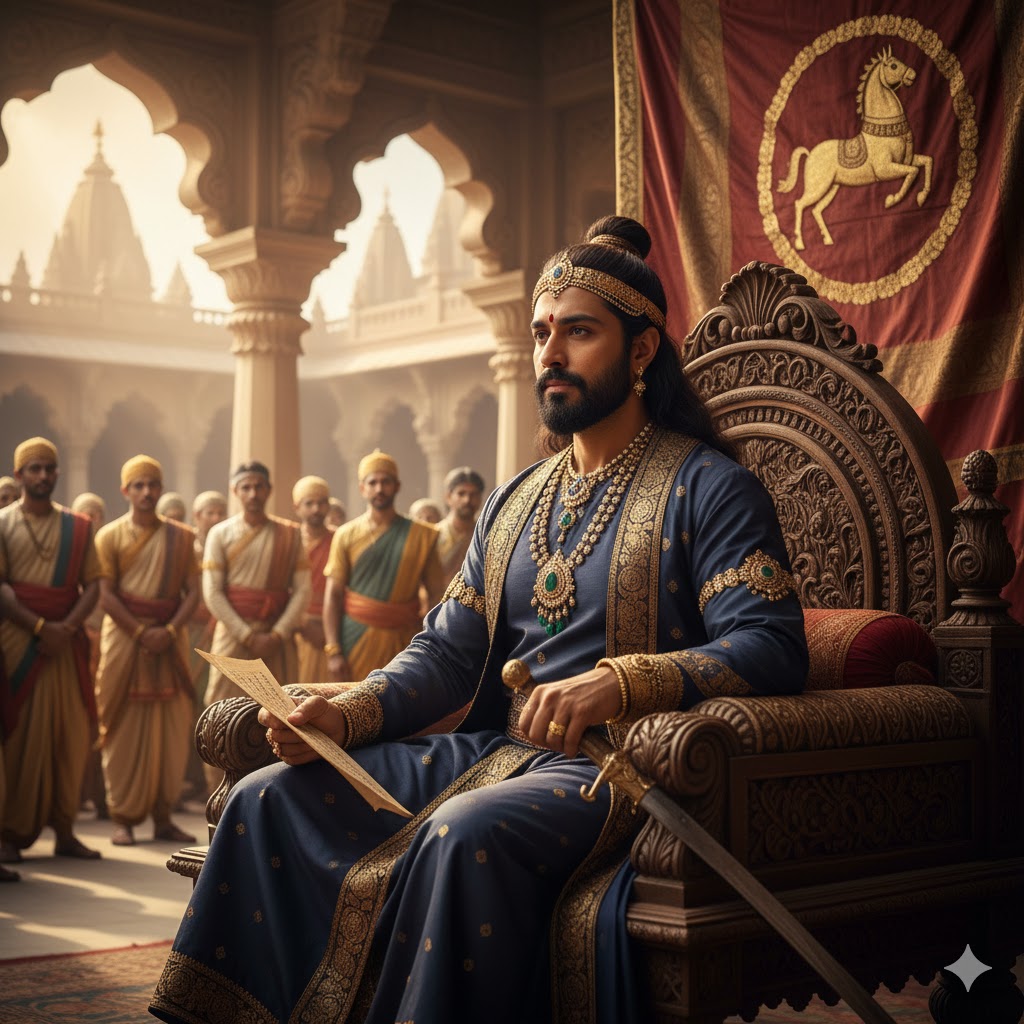
Post Gupta Dynasties: Pushyabhutis
Pushyabhuti Dynasty Also known as the Vardhana dynasty, they governed areas of northern India. Hieun Tsang’s travels account Si-Yu-Ki, Banbhatta’s Harshacharita, and Pulkeshin II’s inscription on Aihole stone. The Madhuban and Sonpat inscriptions record chronology. Harshavardhana signed the Banshekhra inscriptions. … Continue reading
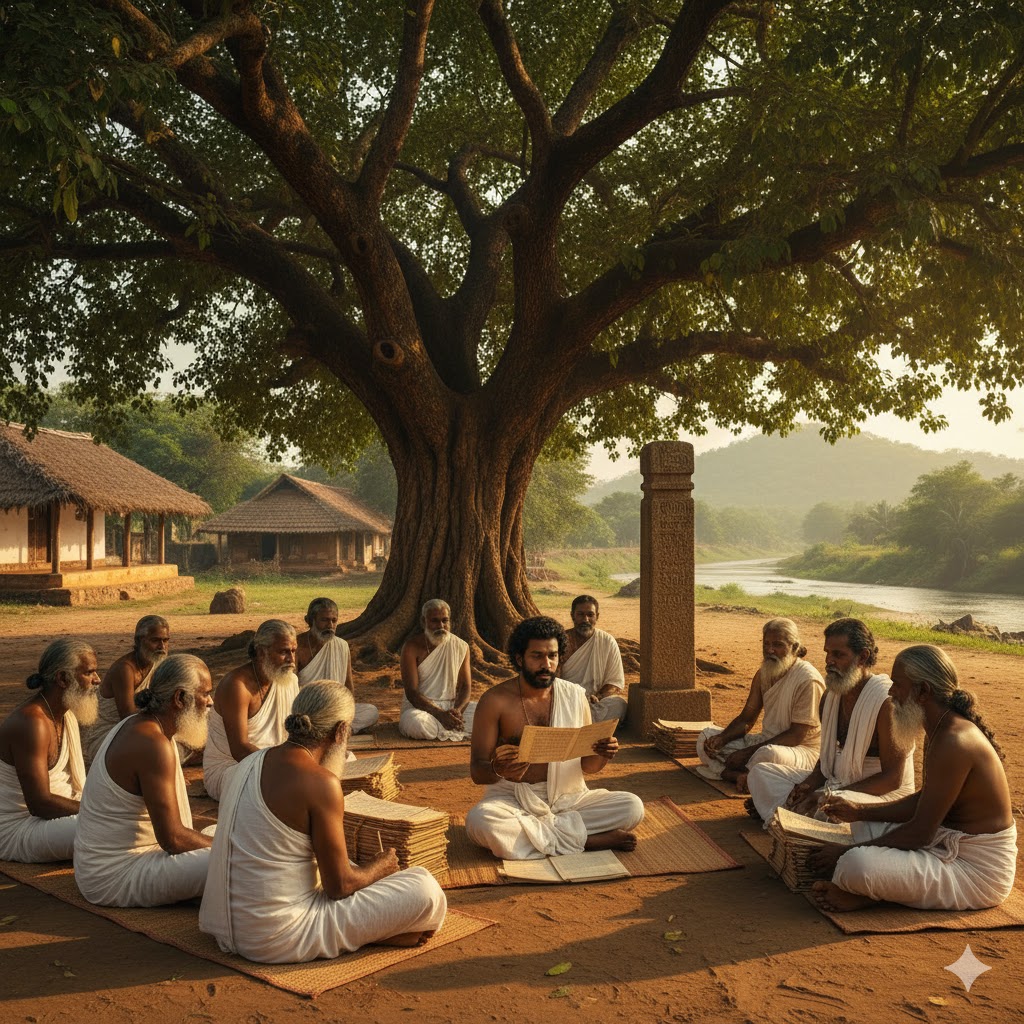
Sangam Era: Literature
Classification Sangam literature is secular in nature. It is classified into two main categories: Akam and Puram. Akam Literature The subjects of love, one’s own feelings, and inner experiences are all covered in Akam poetry. It frequently focuses on romantic … Continue reading
Sangam Era: Life and Polity
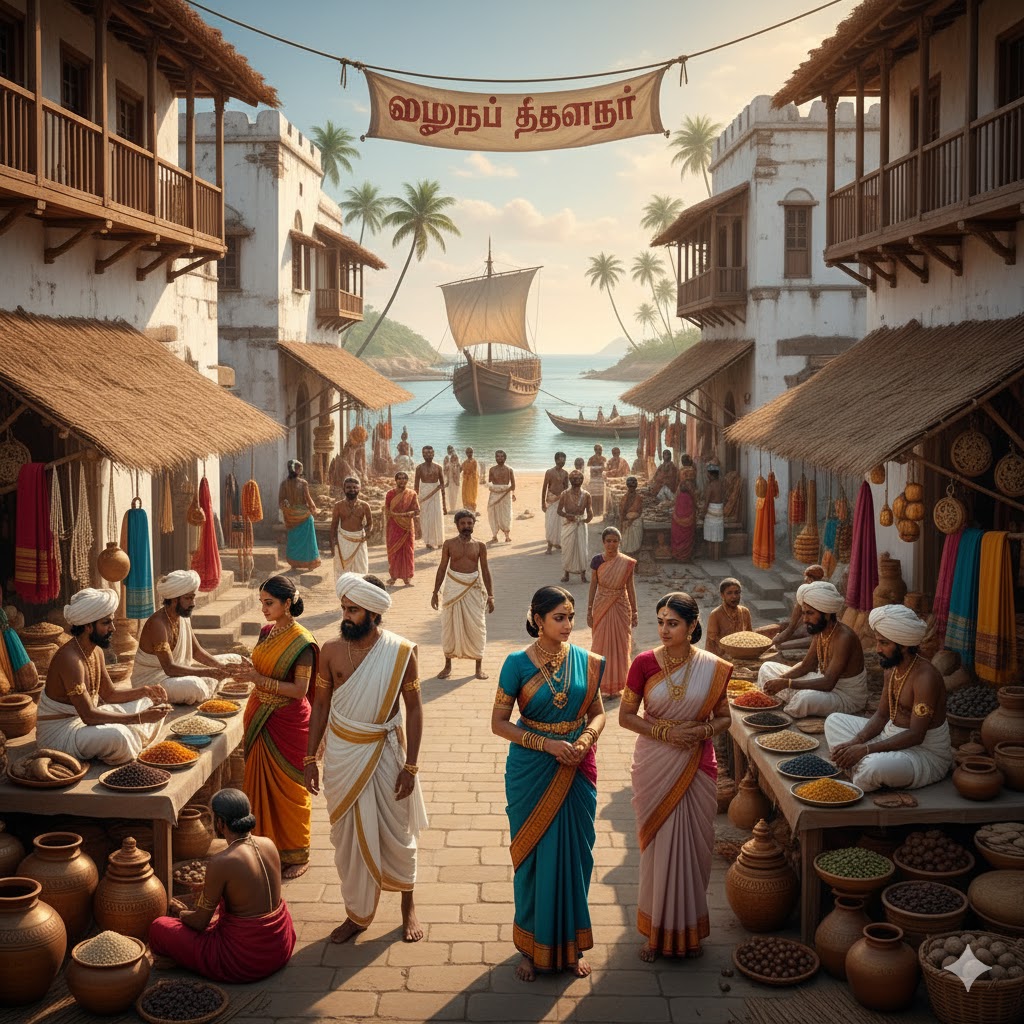
What is it? The Sangam era which flourished during the third century BCE to the third century CE is significant in South Indian history as it is noted for its literary, artistic, and socio-political advancements. Sangam Assembly There were three … Continue reading
Gupta Period: Art, Architecture and Literature
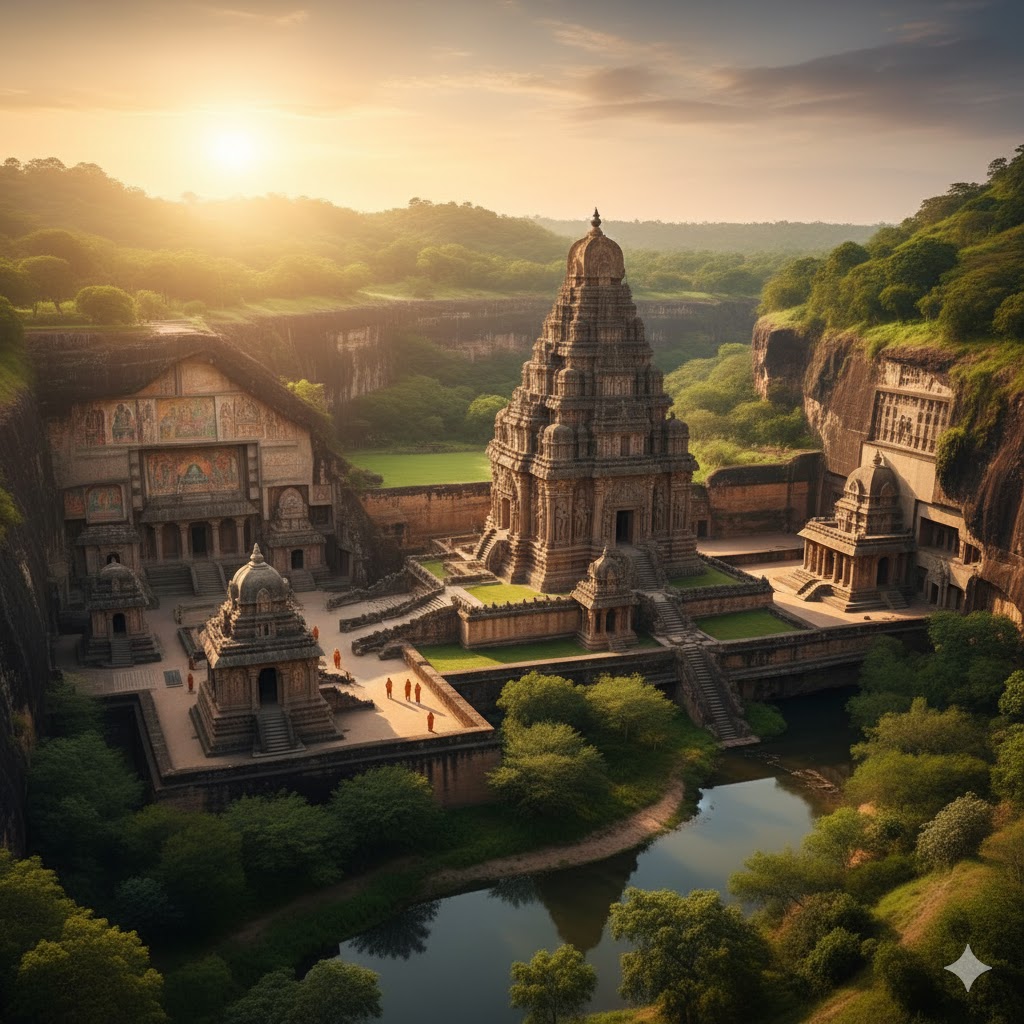
Gupta Literature Navaratnas – Kalidas, Amarsinh, Dhanvantari, Varahminhira, Vararuchi, Ghatakarna, Kshapranak, Vetalabhatt and Shanku – In the court of Chandra Gupta 2 Kalidasa – Abhijnanasakuntalam, Malavikagnimitram, Raghuvansham and Kumarsambhavam. Harishena – Composed Allahabad Prasasti. Sudraka – Mricchakatika, Vishakhadatta – Mudrarakshasa … Continue reading