

General Studies 1
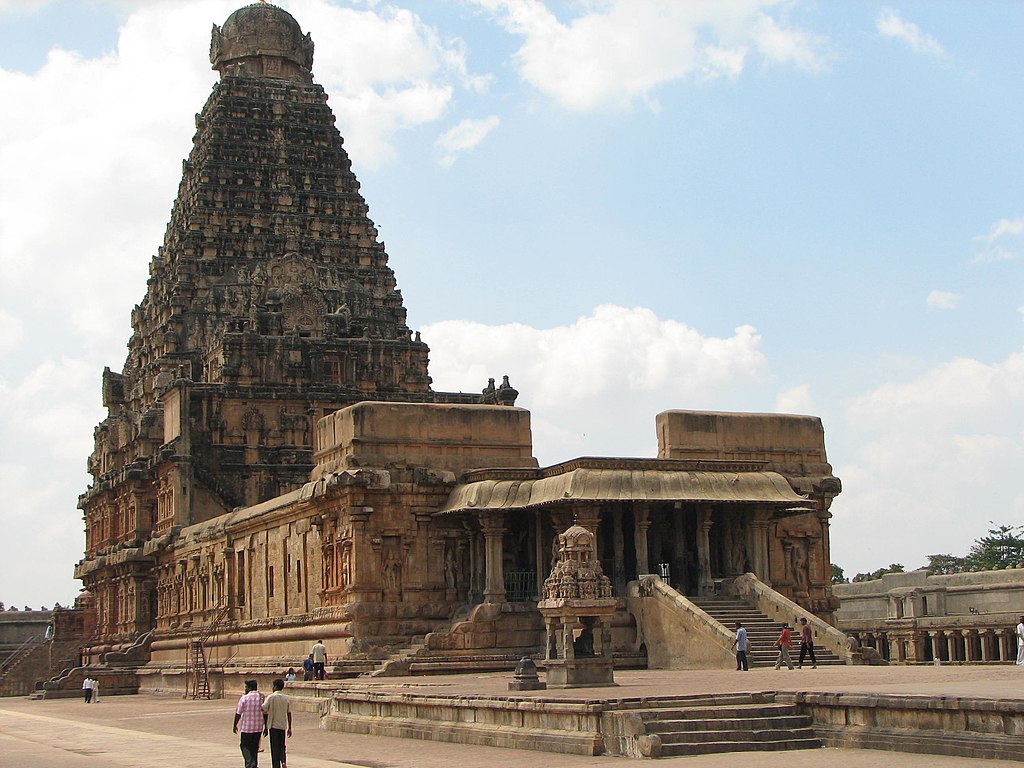
UNESCO Sites in India: Great Living Chola Temples (1987, 2004)
Location: Tamil Nadu, India. Built By: The Chola dynasty between the 10th and 12th centuries CE. Architectural Style: Dravidian architecture. Included Temples: Brihadeeswarar Temple, Thanjavur (Peruvudaiyar Kovil): Gangaikonda Cholapuram Temple: Airavatesvara Temple, Darasuram:
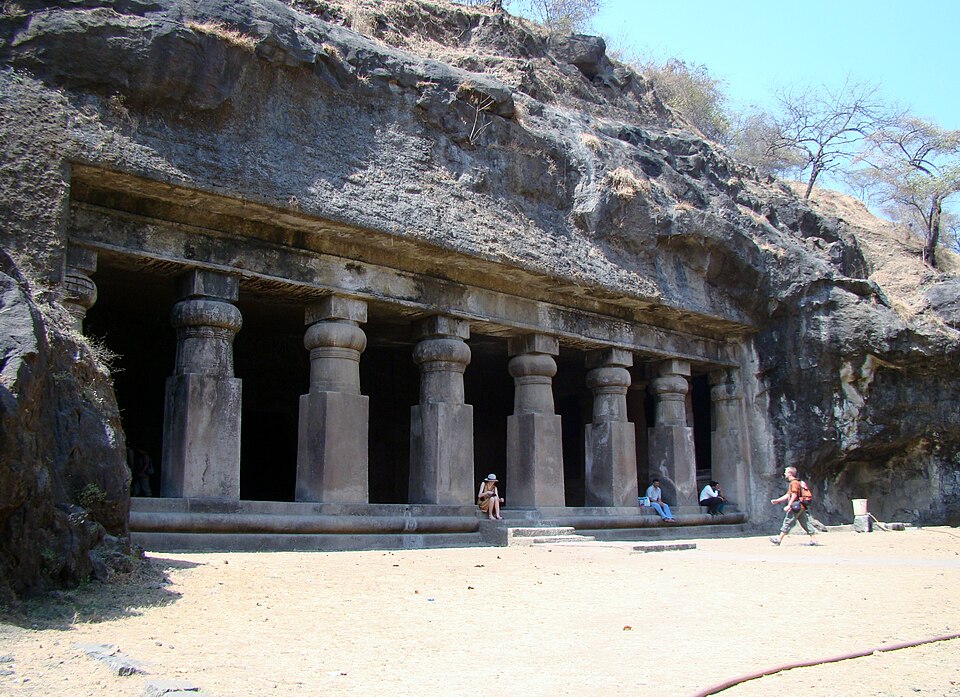
UNESCO Sites in India: Elephanta Caves (1987)
Location: Maharashtra Built By: Likely constructed between the 5th and 7th centuries CE during the rule of the Kalachuri or Chalukya dynasty. Significance: Dedicated primarily to Lord Shiva, showcasing rock-cut architecture and Shaivism traditions.
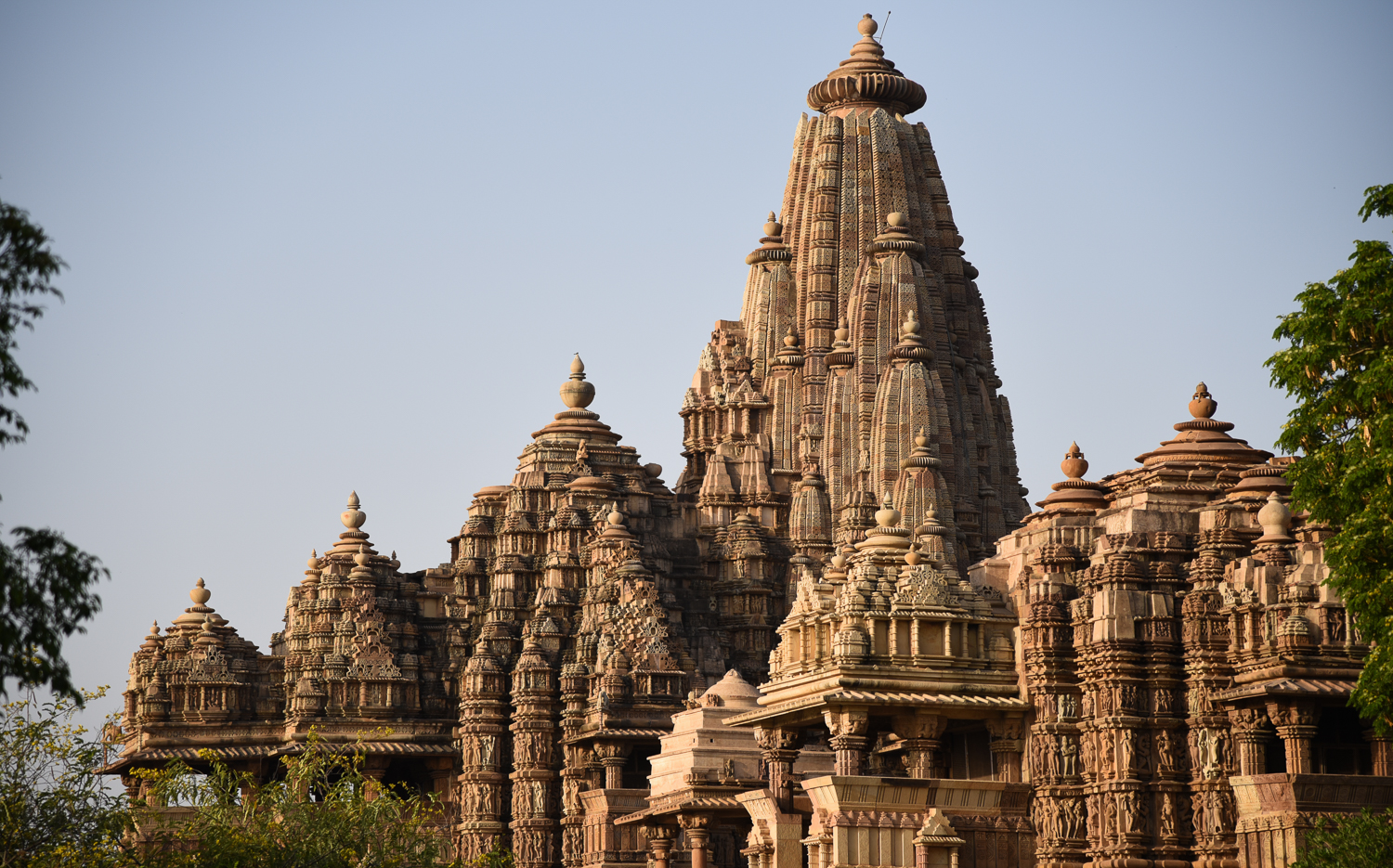
UNESCO Sites in India: Khajuraho Group of Monuments (1986)
Location: Madhya Pradesh, India. Built By: Chandela Dynasty. Construction Period: 950–1050 CE. Architectural Style: Nagara-style Hindu and Jain temple architecture. Notable Temples: Kandariya Mahadev Temple: The largest and most ornate temple, dedicated to Lord Shiva. Lakshmana Temple: Known for its … Continue reading
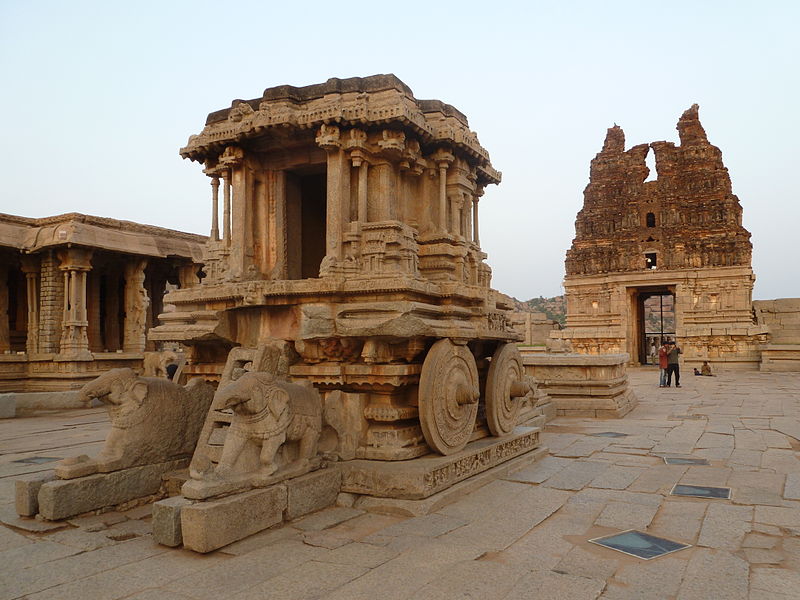
UNESCO Sites in India: Group of Monuments at Hampi (1986)
Location: Hampi, Karnataka, India. Built By: Vijayanagara Empire. Construction Period: 14th to 16th century CE. Architectural Style: Vijayanagara architecture, blending Dravidian, Islamic, and Hindu elements. Associated Temples Virupaksha Temple: Dedicated to Lord Shiva, an active place of worship with intricately … Continue reading
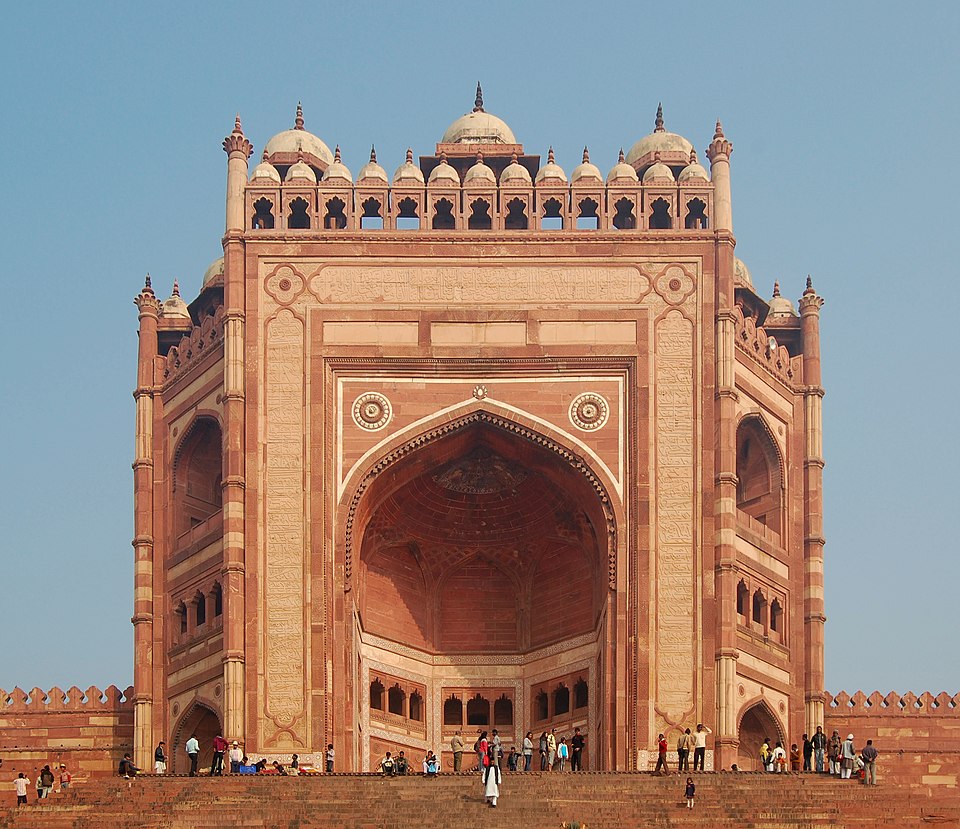
UNESCO Sites in India: Fatehpur Sikri (1986)
Location: Agra District, Uttar Pradesh, India. Built By: Mughal Emperor Akbar. Construction Period: 1571–1585 CE. Architectural Style: Mughal architecture, blending Indian, Persian, and Islamic styles. Material Used: Red sandstone Features Buland Darwaza: A 54-meter-high victory gate commemorating Akbar’s conquest of … Continue reading
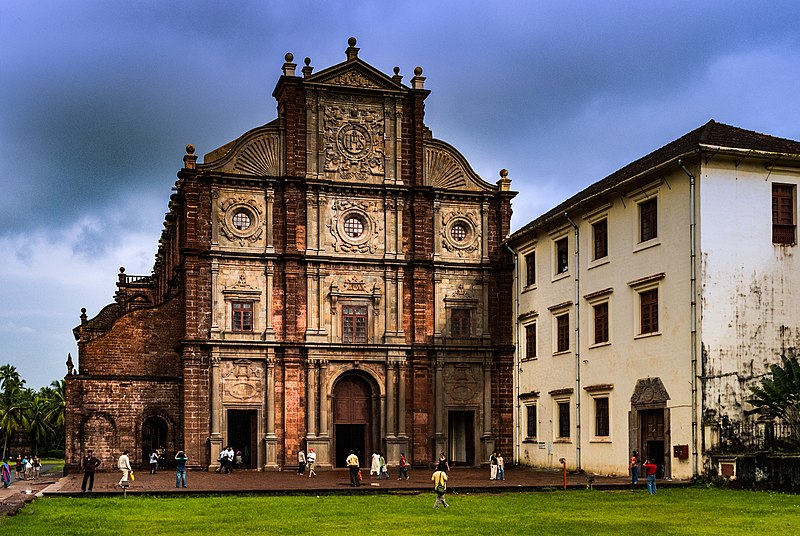
UNESCO Sites in India: Churches and Convents of Goa (1986)
Location: Old Goa, Goa, India. Built By: Portuguese colonizers during their rule in Goa. Construction Period: 16th–18th centuries. Architectural Style: Baroque, Manueline, and Gothic styles influenced by European traditions. Features Basilica of Bom Jesus: Houses the relics of St. Francis … Continue reading
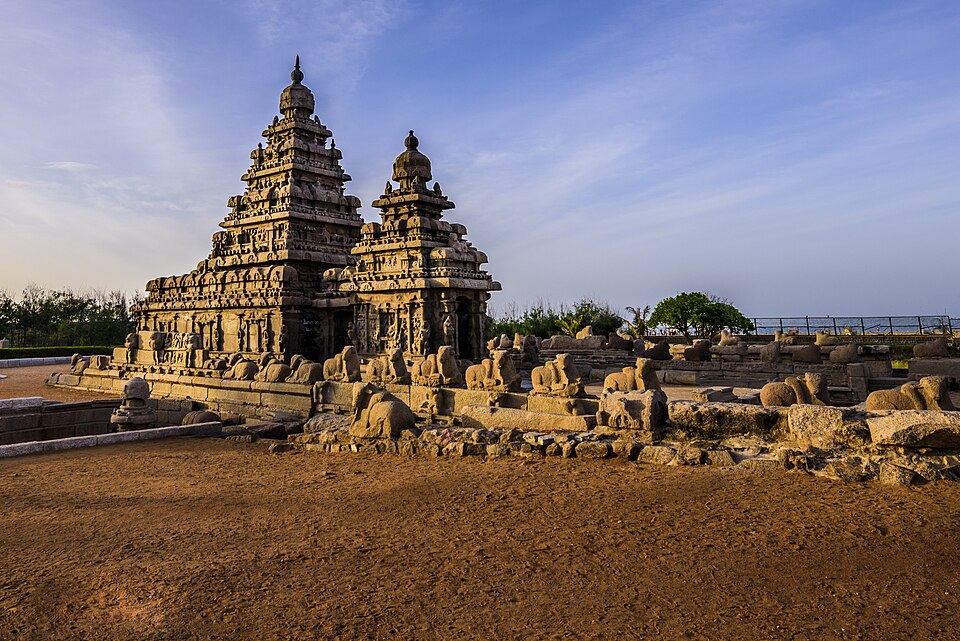
UNESCO Sites in India: Group of Monuments at Mahabalipuram (1984)
Location: Mahabalipuram, Tamil Nadu, India. Built By: The Pallava kings, primarily during the reigns of Narasimhavarman I (Mamallan) and Rajasimha. Construction Period: 7th-8th century CE. Architectural Style: Dravidian rock-cut architecture. Notable Monuments: Shore Temple: A twin-towered temple dedicated to Lord … Continue reading
UNESCO Sites in India: Sun Temple, Konârak (1984)
Location: Konârak, Odisha, India. Built By: King Narasimhadeva I of the Eastern Ganga Dynasty. Construction Period: 13th century (circa 1250 CE). Architectural Style: Kalinga architecture. Design: The temple is designed as a colossal chariot of the Sun God (Surya), pulled … Continue reading
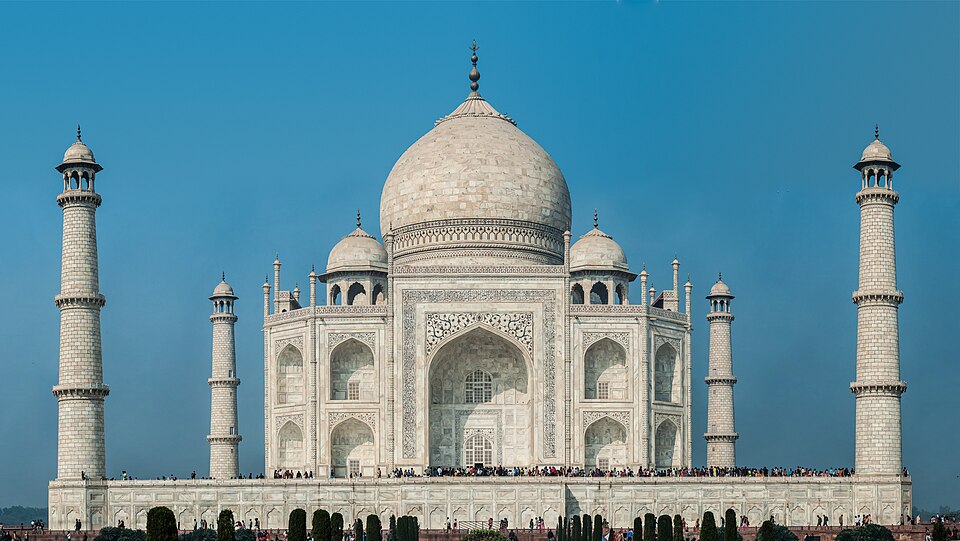
UNESCO Sites in India: Taj Mahal (1983)
Location: Agra, Uttar Pradesh, India. Built By: Mughal Emperor Shah Jahan. Construction Period: 1632–1653. Architectural Style: Mughal architecture with Persian, Islamic, and Indian influences Material Used: Constructed entirely of white Makrana marble.
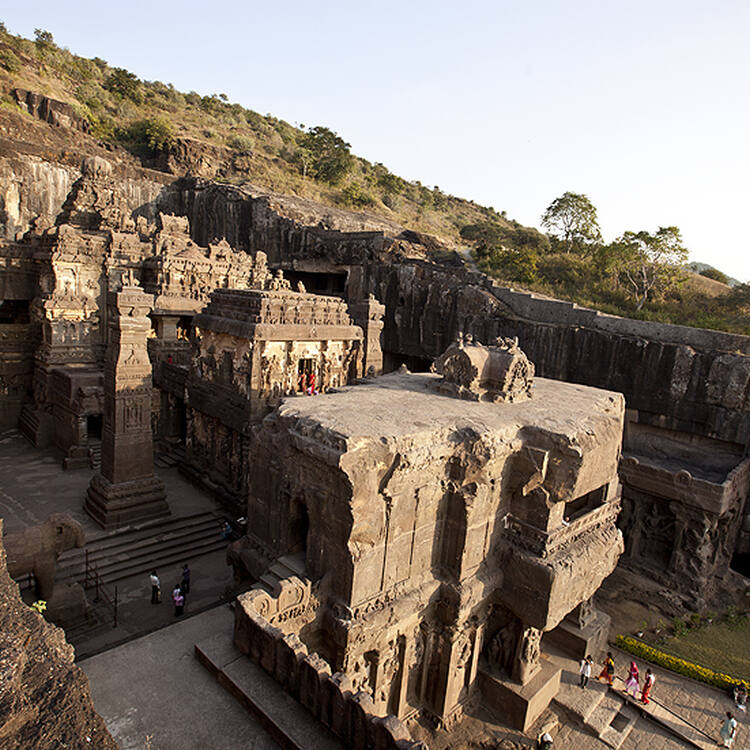
UNESCO Sites in India: Ellora Caves (1983)
Location: 100 km away from Ajanta caves in the Sahyadri range of Maharashtra. Number of Caves: It is a group of 34 caves – 17 Brahmanical, 12 Buddhist, and 5 Jain. Associated Dynasty: The Hindu and Buddhist Caves were predominantly … Continue reading