

General Studies 1
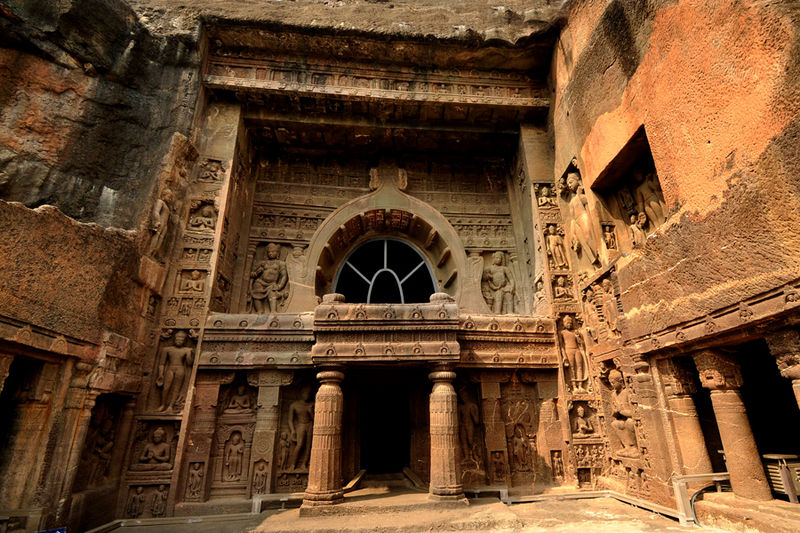
UNESCO Sites in India: Ajanta Caves (1983)
Location: Ajanta is a series of rock-cut caves in the Sahyadri ranges (Western Ghats) near Aurangabad in Maharashtra. Associated River: Waghora river. Number of Caves: There are a total of 29 caves (all Buddhist) of which 25 were used as … Continue reading
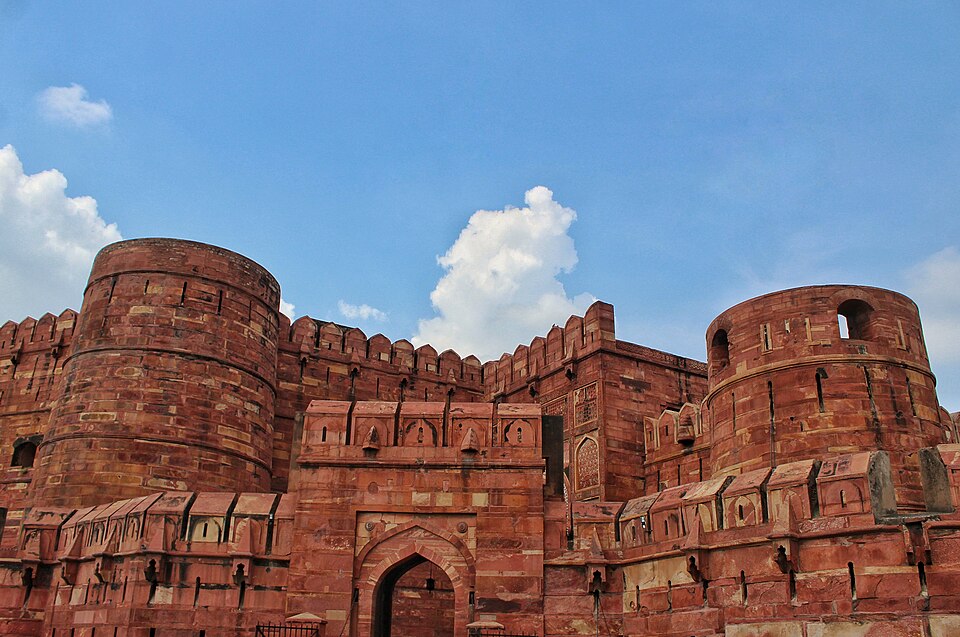
UNESCO Sites in India: Agra Fort (1983)
Location: Agra, Uttar Pradesh, India. Built By: Emperor Akbar in 1565 CE. Architectural Style: Mughal architecture with a mix of Islamic and Hindu influences. Material: Used : Primarily constructed with red sandstone, with later additions by Shah Jahan in white … Continue reading
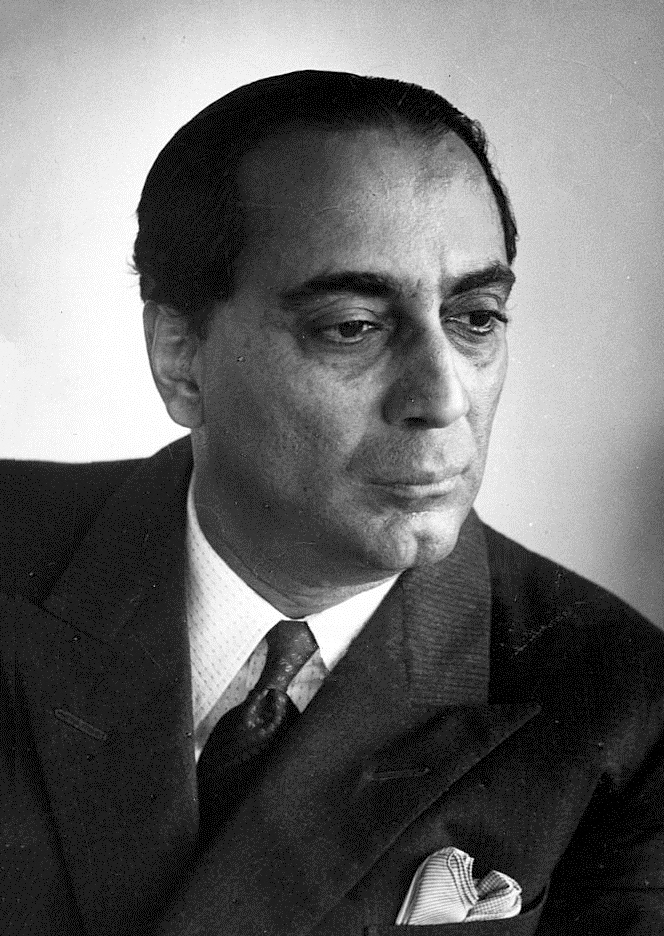
Science and Technology Through the Ages: Modern India
Srinivas Ramanujan (1887-1920) India’s greatest mathematical genius was born in Tamil Nadu on 22 December 1887. In 1911, he published a brilliant research paper on Bernoulli Numbers. He was the second Indian to be elected Fellow of the Royal Society … Continue reading
Science and Technology Through the Ages: Medieval India
Field of Mathematics Narayana Pandit: Well known for his works in Mathematics – Ganitakaumudi and Bijaganitavatamsa. Gangadhara, in Gujarat, wrote Lilavati Karamdipika, Suddhantadipika, and Lilavati Vyakhya. Nilakantha Somasutvan: Produced Tantrasamgraha, which also contains rules of trigonometrical functions. Ganesa Daivajna: Produced … Continue reading
Science and Technology Through the Ages: Ancient India
Fields of Mathematics & Astronomy Baudhayan Baudhayan was the first one ever to arrive at several concepts in Mathematics, which were later rediscovered by the Western world. The value of pi was first calculated by him. Aryabhatta Aryabhatta was a … Continue reading
Indian Mathematicians of Ancient Times and Their Contributions
Baudhayan: In the first millennium BCE, he wrote the Sulva-Sutra, which includes various trigonometric formulas, including the one for determining the area of a triangle (later known as the Pythagoras theorem), the value of pi, and the square root of … Continue reading
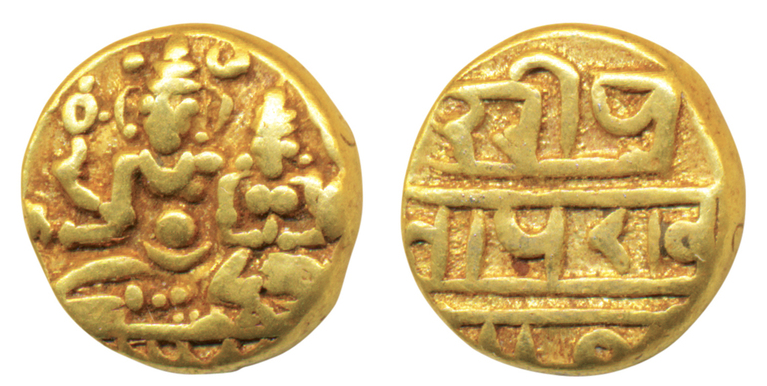
Vijayanagara Empire Coins
The Vijayanagara Empire (14th–17th century CE) issued large quantities of gold coins; other metals used in their coinage were pure silver and copper. Pagodas – higher denomination –figure of running warrior along with dagger symbol Gold fanams – fractional units … Continue reading
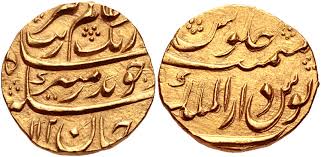
Turkish and Delhi Sultanate Coins and Mughal Coins
Turkish and Delhi Sultanate Coins The coins had inscriptions in the form of the king’s name, title, and date as per the Hijri calendar. The coins did not bear any image of the issuing monarch as there was a prohibition … Continue reading
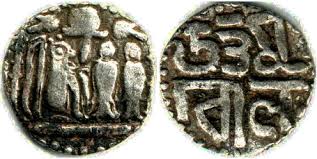
Coins of the Pandyan, Pallava and Chola Dynasty
Pandyan Dynasty The coins issued by the Pandyan dynasty were square-shaped with an image of an elephant in the early period. Later, fish became a very important symbol in the coins. The gold and silver coins had inscriptions in Sanskrit … Continue reading
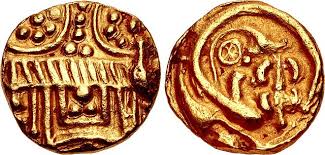
Coinage in India: Coins of Chalukyan Kings and Coins of the Rajput Dynasties
Coins of Chalukyan Kings Pulakeshin I founded the Chalukyan dynasty (6th century CE) with its capital at Badami in Karnataka. One side of the coin had an image of a temple or a lion and legends. The other side was … Continue reading