

Fundamental Rights: Article 14
What is it?: Equality before Law and Equal Protection of Laws Applicability: Applicable to both citizens and foreigners. Term Person Include: Includes legal persons, viz, statutory corporations, companies, registered societies, or any other type of legal person. Concept of Equality … Continue reading
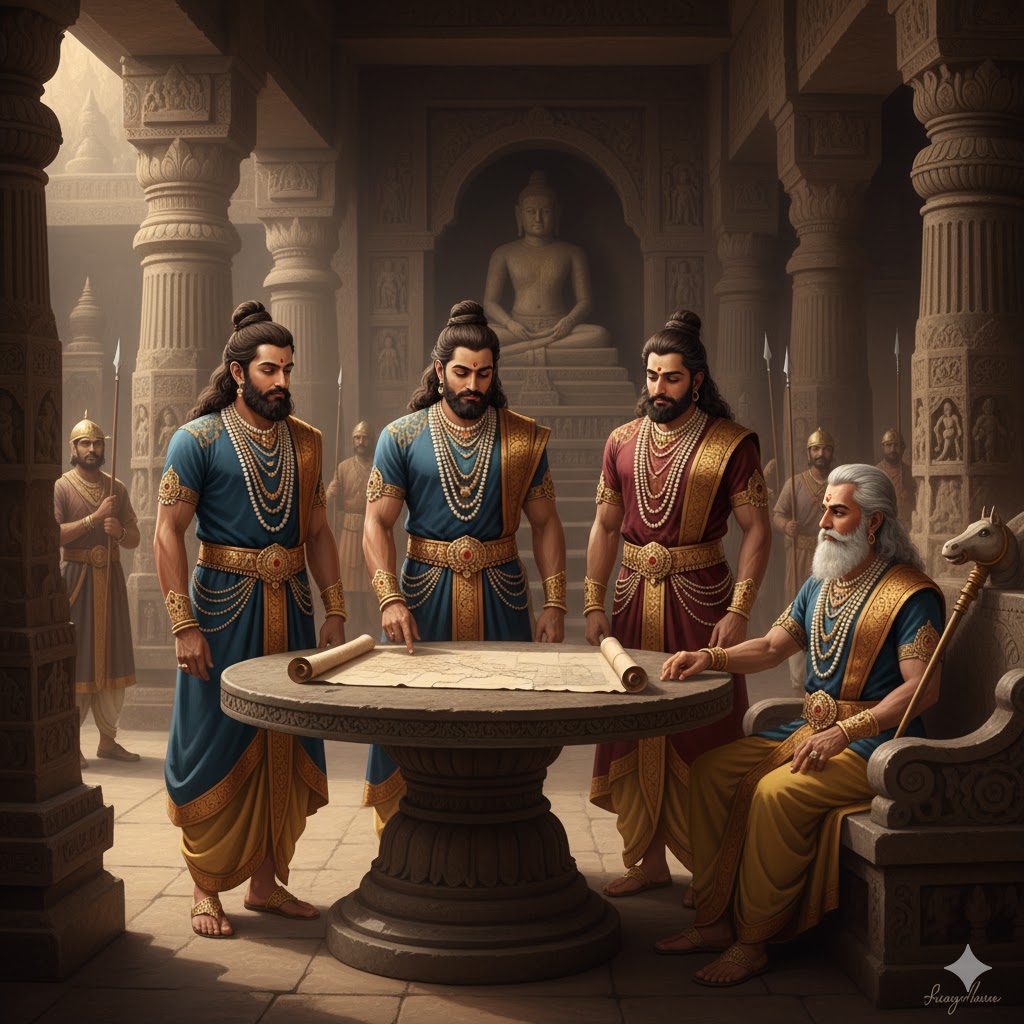
Post Mauryan Period: Satavahana
Satavahana The Satavahana dynasty ruled over a vast portion of the Indian subcontinent from the first century BCE to the second century CE. The Satavahanas are regarded as one of the most ancient historical dynasties in India’s Deccan area. Simuka … Continue reading
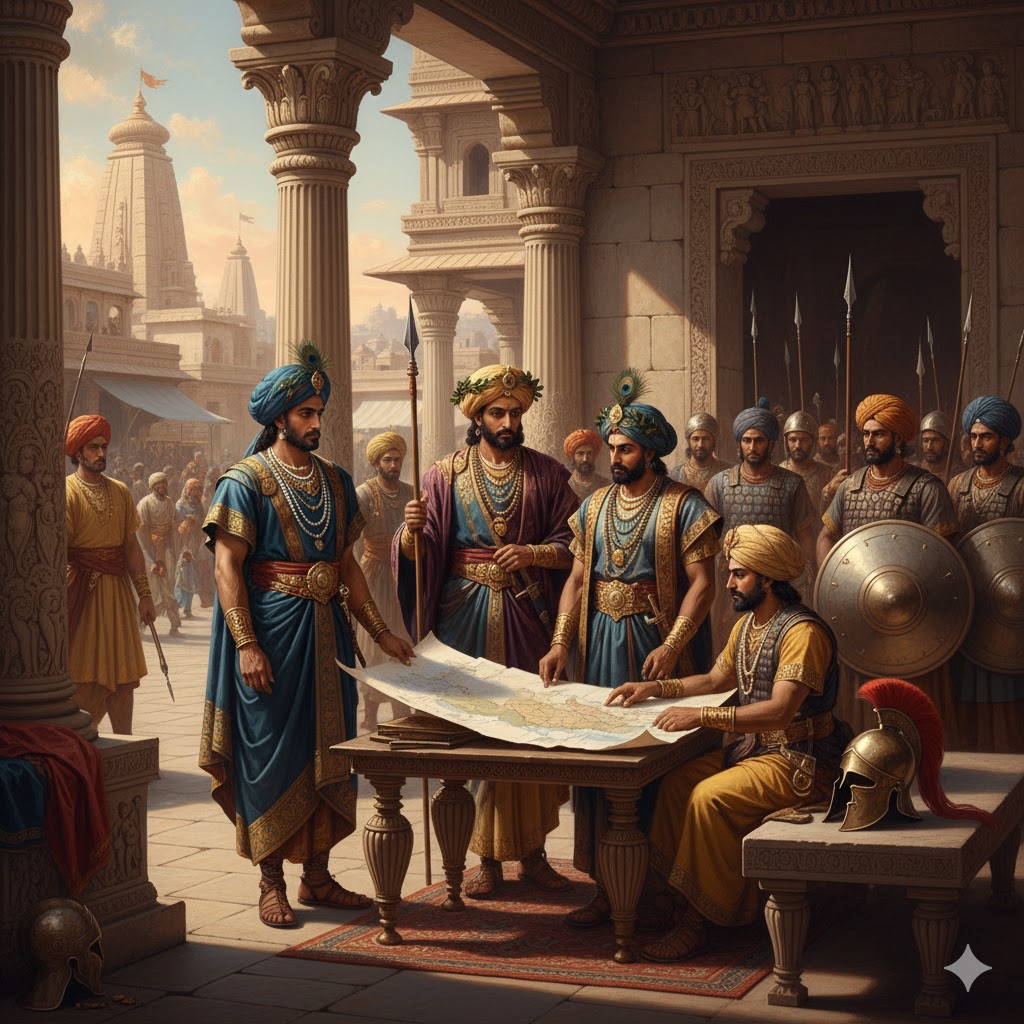
Post Mauryan Period: North-Western India
Indo Greeks The term “Indo-Greeks” refers to several Hellenistic kingdoms that thrived in the Indian subcontinent from the second century BCE to the first century CE. During this period, the Greek and Indian cultures interacted, resulting in a unique mix … Continue reading
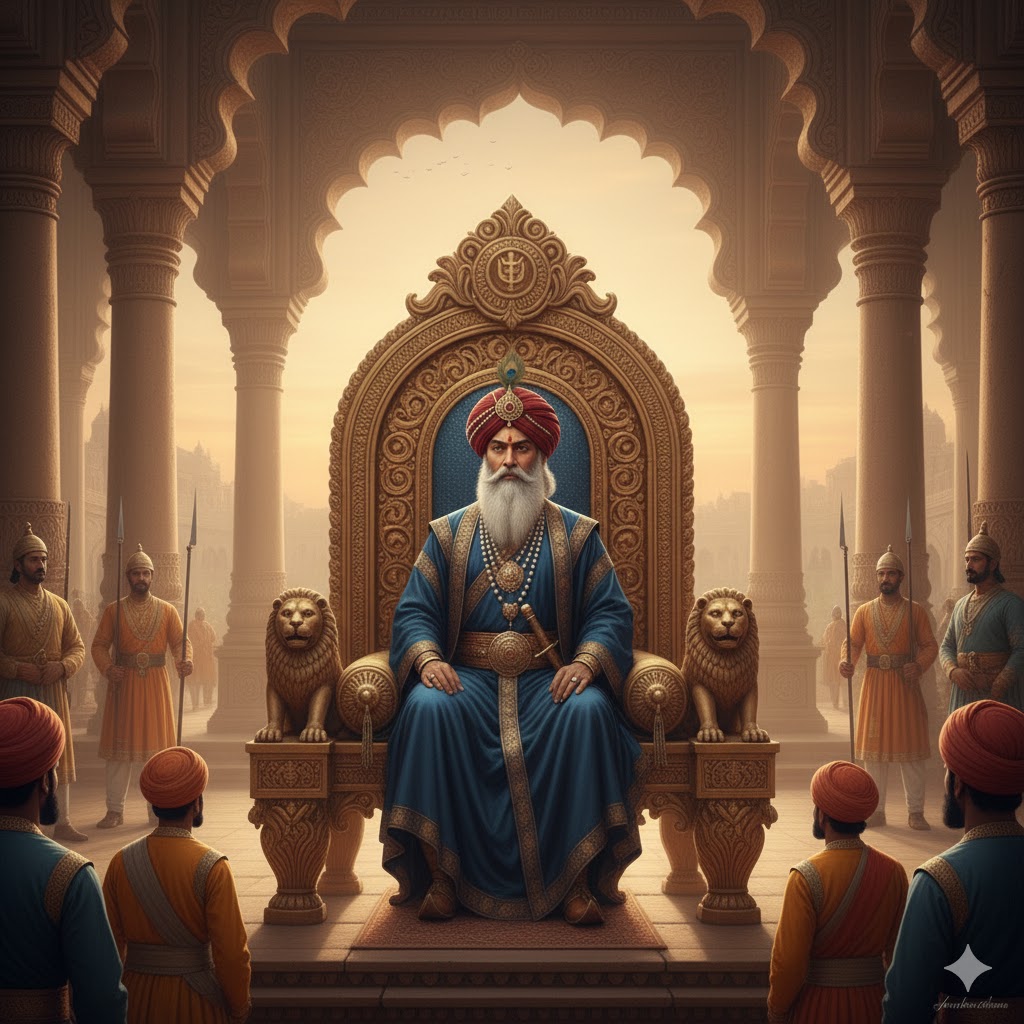
Post Mauryan Period: Central India
Sunga Dynasty The Mauryan Empire was succeeded by the Sunga monarchy, an ancient Indian monarchy. It existed from around 185 BCE until 73 BCE. Pushyamitra Shunga founded the dynasty after the fall of the Mauryans. They were Brahmins, and the … Continue reading
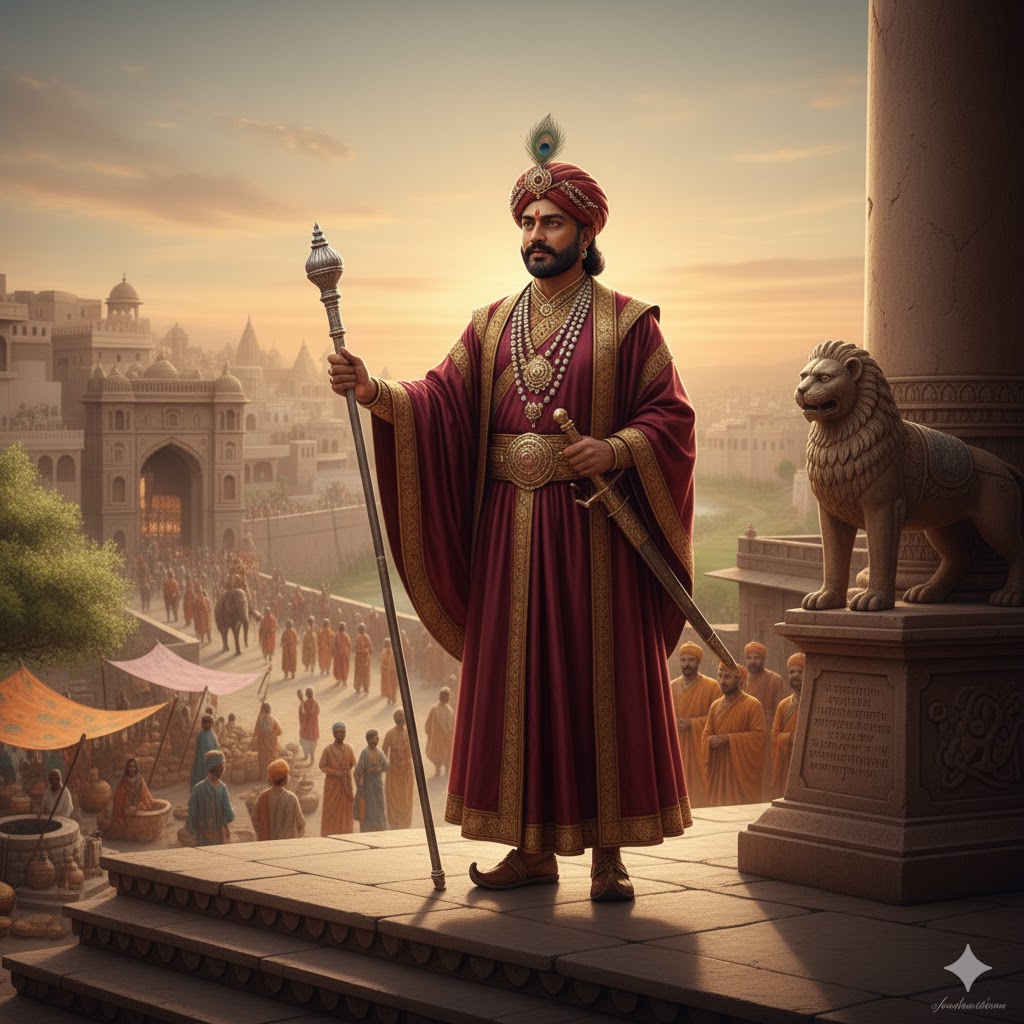
Mauryan Empire
What is it? The Mauryan Empire is considered to have been founded by Chandragupta Maurya (321-297 BCE). Chandragupta assembled an army and defeated the Nanda empire in Magadha, present-day eastern India, creating the Mauryan Empire. After becoming king, Chandragupta expanded … Continue reading
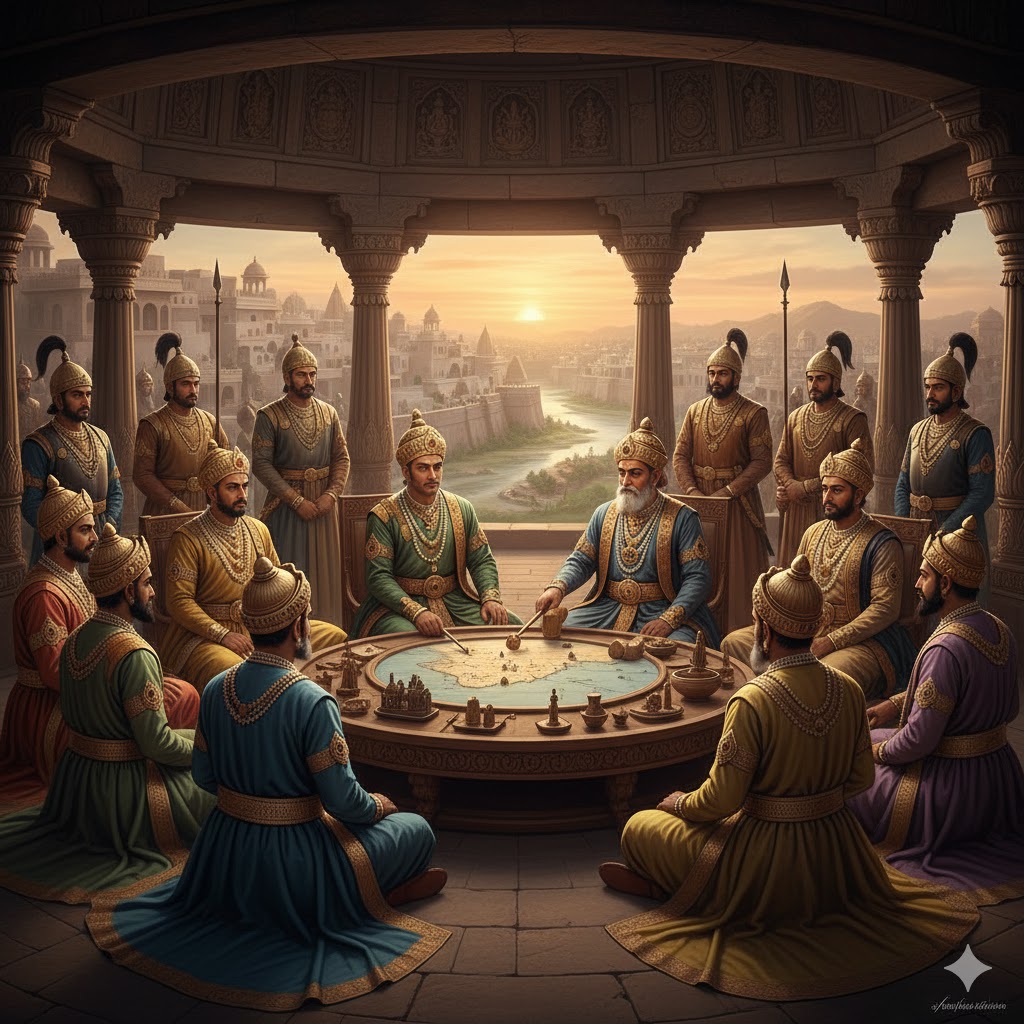
Mahajanapadas
What are the Mahajanapadas? The Mahajanapadas were 16 large and powerful kingdoms that emerged in ancient India during the 6th century BCE. The Mahajanapadas were found in northern and eastern India. The modern-day states of Bihar, Uttar Pradesh, Haryana, and … Continue reading
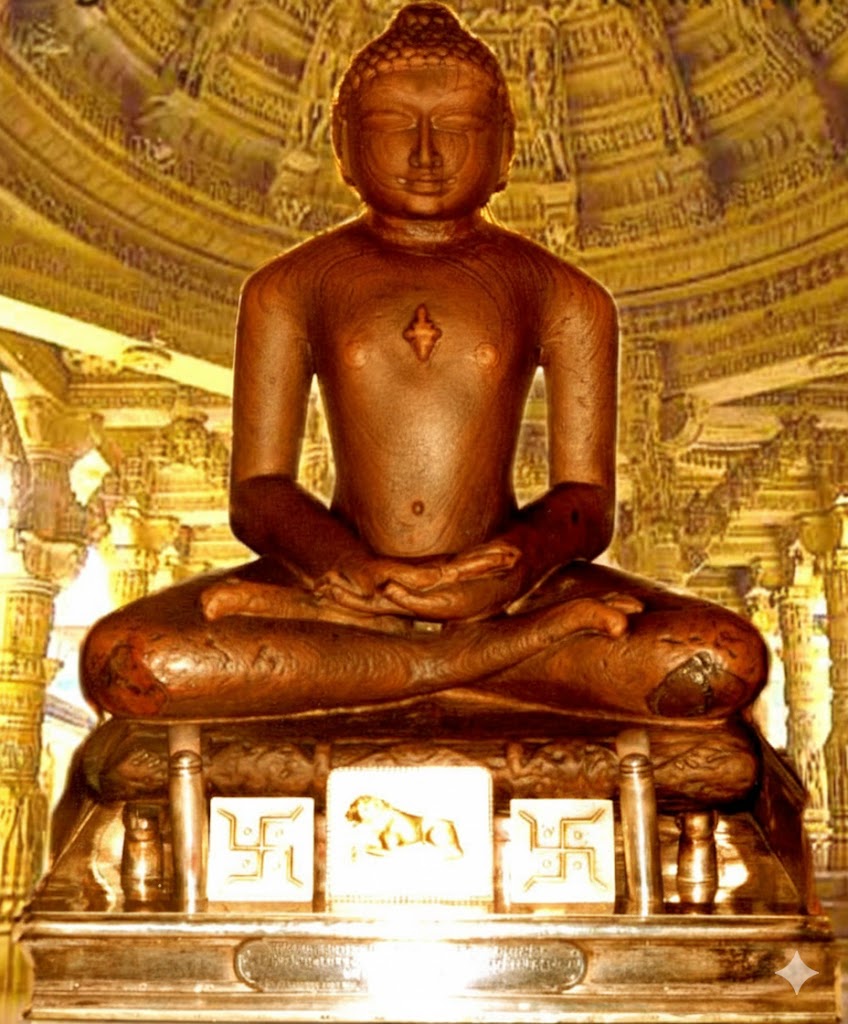
Jainism
Vardhamana Mahavira Lord Mahavira, who established Jainism, was born in what is now Bihar, India, approximately in 599 BCE. Mahavira is regarded as the 24th Tirthankara (spiritual teacher). Principles in Jainism Ahimsa (non-violence) – emphasises the non-harming of any living … Continue reading
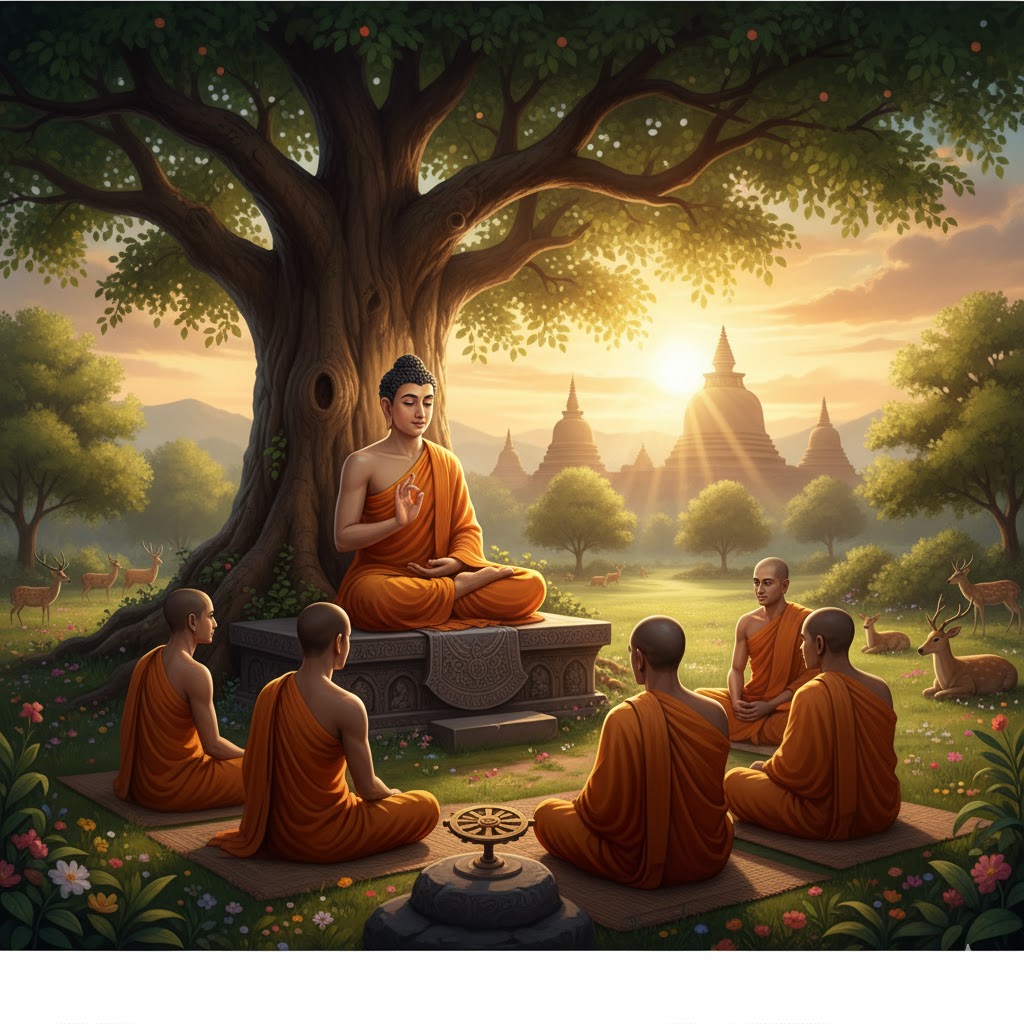
Buddhism: Literature and Buddhist Councils
Buddhist Literature One of the first written and structured literary corpuses in Indian history is found in Buddhist literature. The Tripitakas are the oldest, most comprehensive, most methodical compilation of early Buddhist sacred texts. Pali, a language spoken in Magadha … Continue reading
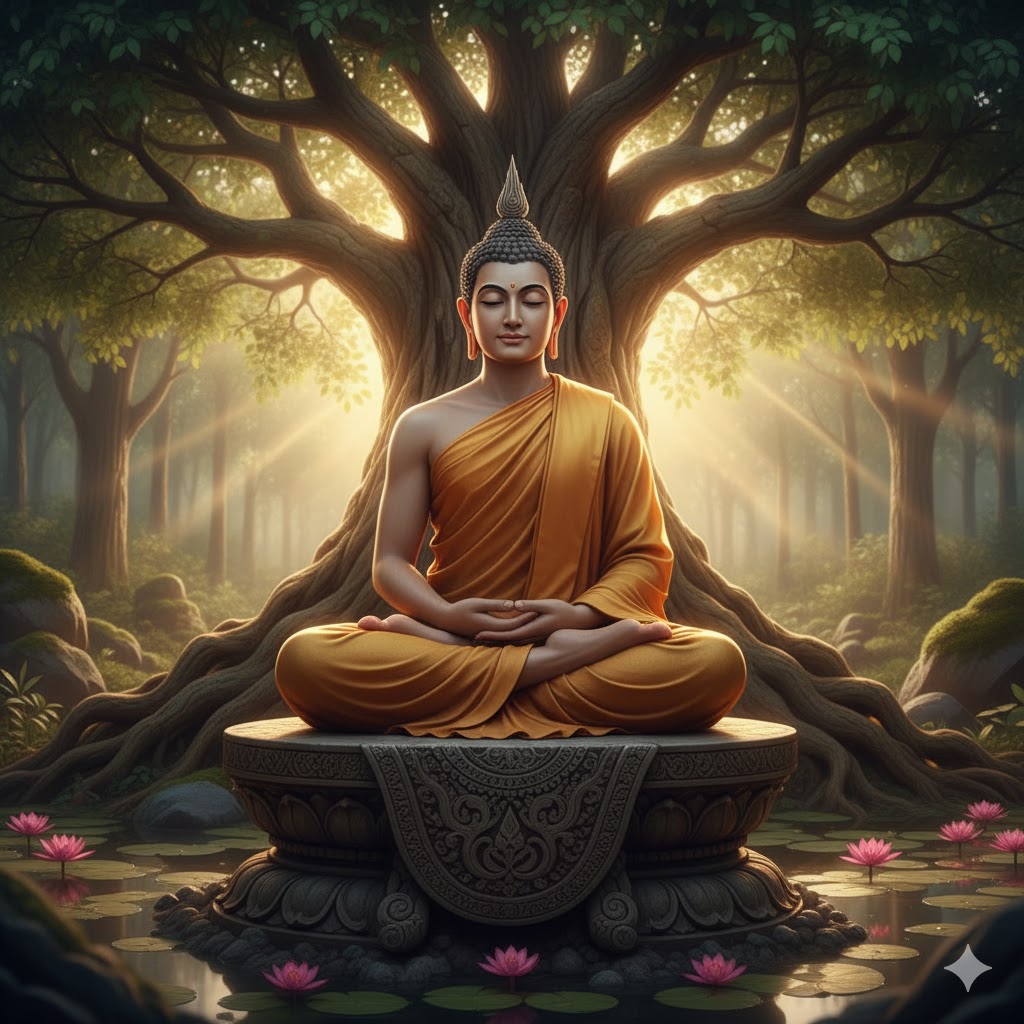
Buddhism: Philosophy
Origin of Buddhism Founded by Siddhartha Gautama (Buddha) in the 6th century BCE in Northern India Gautama Buddha The founder of Buddhism, Gautama or Siddhartha, was born in 567 B.C. in Lumbini Garden in Kapilavastu. His father was Suddodhana from … Continue reading
Ammonia-Powered Solid Oxide Fuel Cells (SOFCs)
Why in the news? Scientists have developed a method to make ammonia-powered SOFCs more reliable and efficient by integrating a plasma reactor with the fuel cell, addressing challenges in using ammonia directly as a fuel for clean energy. Ammonia-Powered Solid … Continue reading