

General Studies 1
Types of Shadow Puppetry
Togalu Gombeyatta State: Karnataka Features These puppets are mostly small in size. The puppets however differ in size according to their social status Tholu Bommalata State: Andhra Pradesh Features The puppets are large in size and have jointed waist, shoulders, … Continue reading
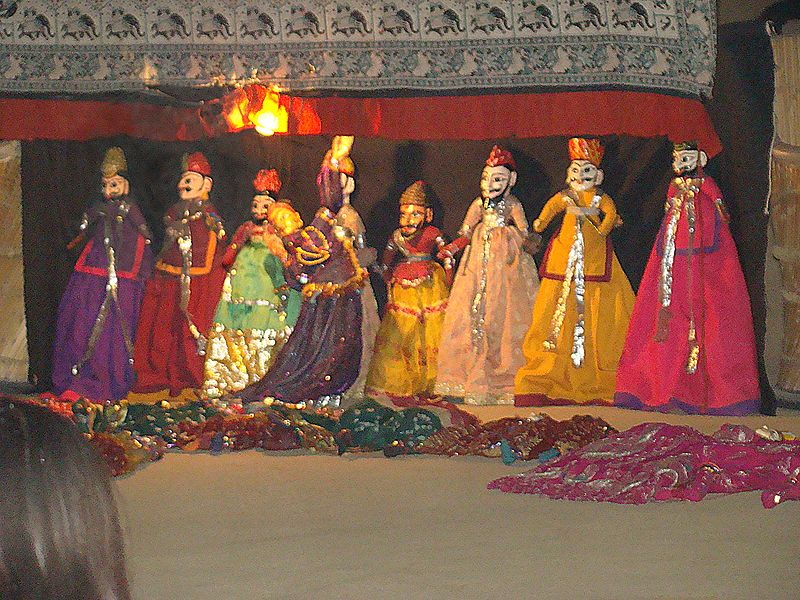
Types of String Puppetry
Kathputli State: Rajasthan. Features: These puppets are carved from single piece of wood, and then covered with colourful long flowing skirt from waist and headgears. Kundhei State: Odisha Feature: Made of light wood, the Odisha puppets have no legs but … Continue reading
Indian Puppetry: Major Types
String Puppets Features The puppets are generally eight to nine inch miniature figures chiselled out of wood. Oil paint is used to paint the wood initially and to add other facial features such as eyes, lips, nose, etc. Small wooden … Continue reading

Modern Indian Theatre
In the nineteenth century, many theatres sprang up in Calcutta, such as Belgachia Natyashala and Shobhabazar Natyashala. Indians evolved their own theatrical style during the British era, integrating elements of both Western and Indian styles. In contrast to the ancient … Continue reading
Indian Theatre: Theatres of South India
Name Location Features Villu Paatu Kerala and some parts of Tamil Nadu Stories of Ramayana are narrated using bow shaped instruments. Yakshagana Kerala and Karnataka It originated in the royal courts of the Vijayanagara empire and was performed by a … Continue reading
Indian Theatre: Theatres of Entertainment
Name Location Features Bhavai Rajasthan Extensive use of dance to narrate a series of small plays. Theme is romantic and accompanied by semi-classical music. Daskathia Odisha The narration is accompanied by dramatic music composed using a wooden musical instrument called … Continue reading
Indian Theatre: Ritual Theatre
Name Location Features Ankia Naat Assam One act play developed by Vaishnava Saint Sankaradeva and his disciple Madhavadeva in the 15th-16th century CE. Theme related to Lord Krishna. Plays are written in Assamese-Maithili mixed language called Brajavali. Ramlila Uttar Pradesh … Continue reading
Indian Theatre: Sanskrit Theatre
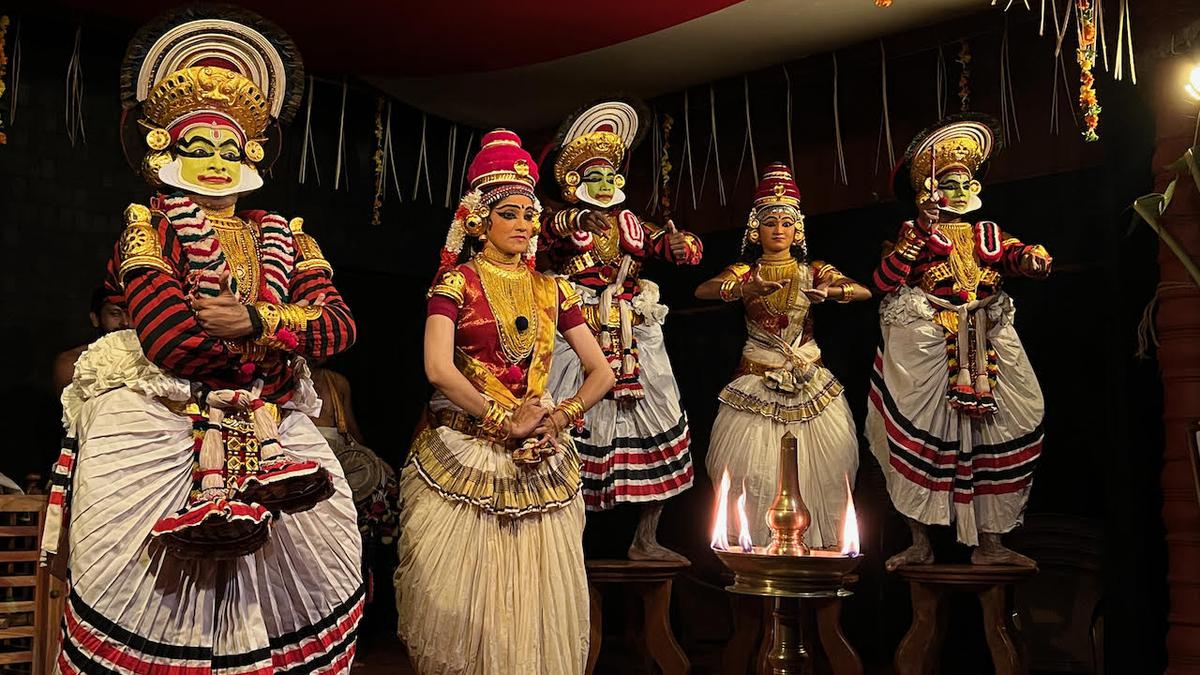
History Theatre in India began as a narrative art form. The Sanskrit word ‘nataka’ was derived from the root word ‘nata’ which actually meant a dancer. In ancient India, plays were generally of two types Lokadharmi: These were realistic depictions … Continue reading
Classical Dance Forms in India: Sattriya
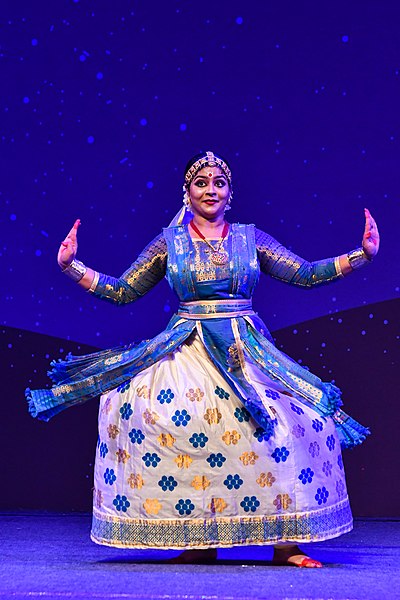
State: Assam Origin: The Sattriya dance form was introduced in the 15th century CE by the Vaishnava saint and reformer Sankaradeva. Theme: It has a religious character and is associated with the Sattras, (Vaishnava maths or monasteries). Features Sattriya dance … Continue reading
Classical Dance Forms in India: Kathak
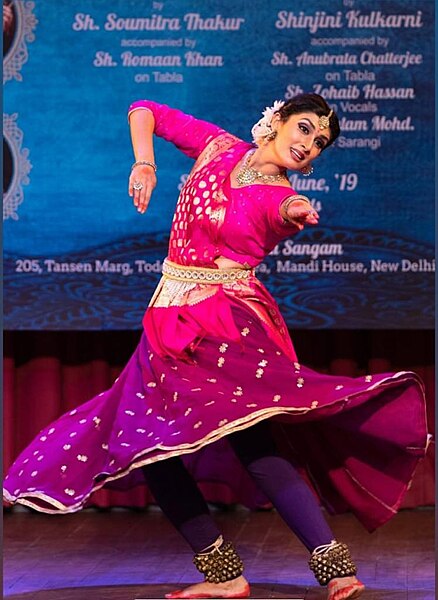
Location: North India Origin of Word: The word Kathak has been derived from the word Katha which means a story. History It was primarily a temple or village performance wherein the dancers narrated stories from ancient scriptures that spread during … Continue reading