

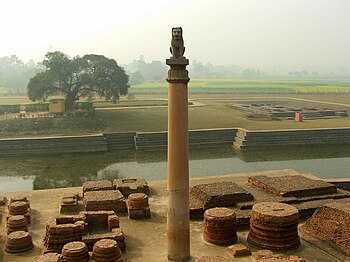
Mauryan Art and Architecture: Pillars
Basics Pillar inscriptions became significant during the Ashoka period. Uses of pillars. As a symbol of the State or to commemorate battle victories. Also used to propagate imperial sermons as well. The material used to build the pillars was chunar … Continue reading

Mauryan Art and Architecture: Palaces
The Mauryan Empire was the first powerful empire to come to power in India. Even though its capital was at Pataliputra, the palace was located at Kumrahar. The palace of Chandragupta Maurya was inspired by the Achaemenid palaces at Persepolis … Continue reading
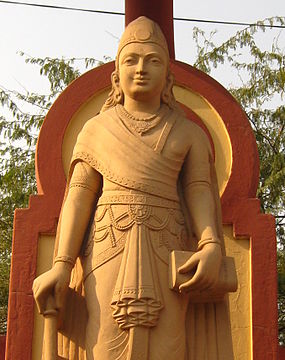
Mauryan Art and Architecture: Court Art
Palaces The Mauryan Empire was the first powerful empire to come to power in India. Even though its capital was at Pataliputra, the palace was located at Kumrahar. The palace of Chandragupta Maurya was inspired by the Achaemenid palaces at … Continue reading
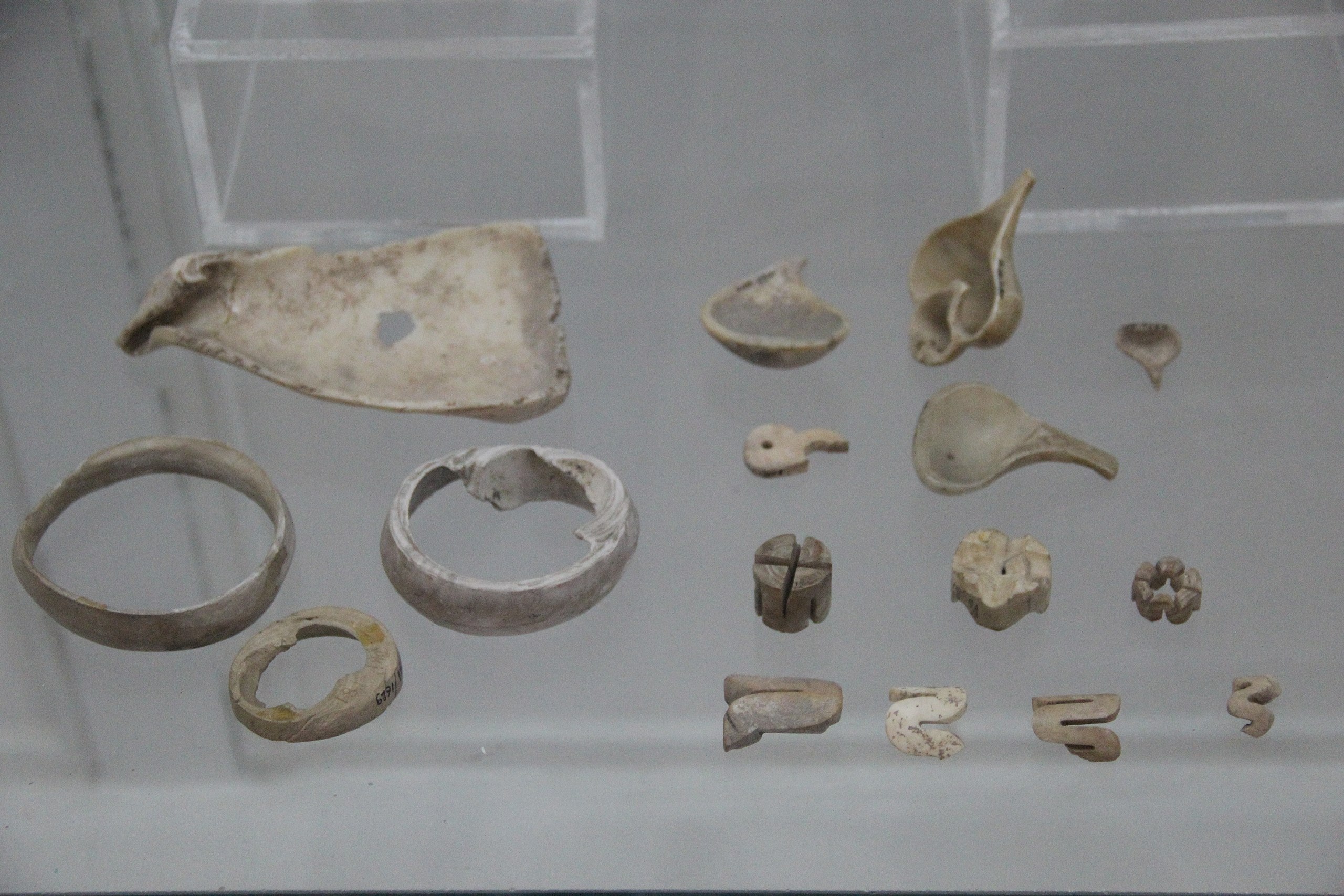
Indus Valley Civilization(IVC): Ornaments
The Harappans used a large variety of materials, from precious metals and gemstones to bones and even baked clay, to make ornaments. Both men and women wore ornaments like necklaces, fillets, armlets and finger rings. Girdles, earrings and anklets were … Continue reading
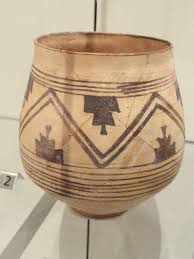
Indus Valley Civilization(IVC): Seals and Pottery
Seals Though most seals were square shaped, it was found that triangular, rectangular and circular seals were also used. Steatite was the most common material used to make seals. Most of the seals have inscriptions in a pictographic script which … Continue reading
Indus Valley Civilization(IVC): Sculptures of Harappan Civilization
Stone Sculptures Bearded Man (Priest-King) Found in Mohenjo Daro. Material Used – Steatite stone Features It is the figure of a bearded man, draped in a shawl with trefoil patterns. The eyes are elongated, and half closed as in meditation. … Continue reading
Indus Valley Civilization(IVC): Architecture in Harappan Civilisation
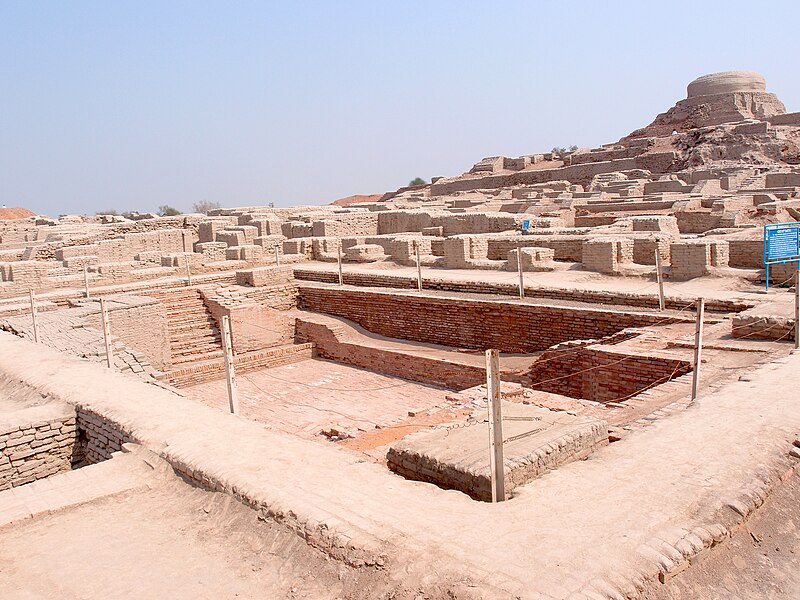
Features The towns were laid out in a rectangular grid pattern. The roads ran in north-south and east-west directions and cut each other at right angles. Types of Building Dwelling houses Public buildings Public baths. The Harappans used burnt mud … Continue reading
List of Books written by Freedom Fighters
Freedom Fighter Books/Works Mahattma Gandhi Young India, Harijan, Navjivan, Hindu Swarajya, My Experiments With Truth Bal Gangadhar Tilak Kesri, The Maratha, Gita Rahasya/Karmayog Shashtra; The Orion: Or Researches into the Antiquity of the Vedas; The Arctic Home in the Vedas … Continue reading
Civil Uprisings
Name Features Sanyasi Revolt(1763–1800) The Sanyasi revolt was a late-eighteenth-century rebellion in Bengal, India, in the Murshidabad and Baikunthpur forests of Jalpaiguri under the leadership of Pandit Bhabani Charan Pathak. The uprisings were marked by equal participation by Hindus and … Continue reading
Tribal Movements
Tribal Uprising Features Chuar Uprising (1776) Organised by aboriginal tribesmen of Midnapore, against land revenue demands and economic distress. Pahariyas’ Rebellion(1778) It was headed by Raja Jagganath who led Pahariyas of Raj Mahal Hills against British expansion on their land. … Continue reading