

General Studies 1
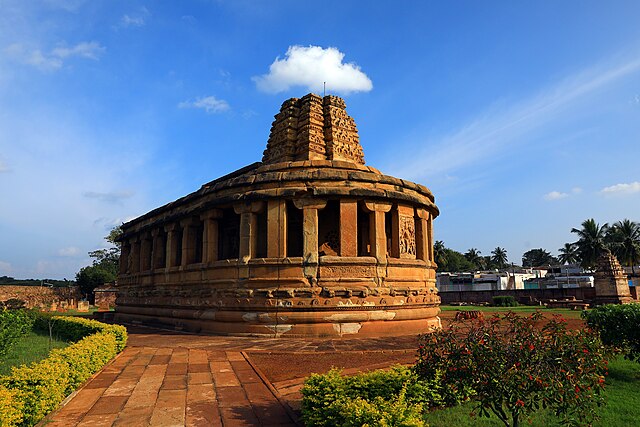
Temple Architecture: Time and Stages of Development
Period Temple architecture, with the development of a square sanctum and a pillared portico, emerged during the Gupta period. Stages of Development First Stage The temples had flat roofs. The temples were square in shape. The portico was developed on … Continue reading
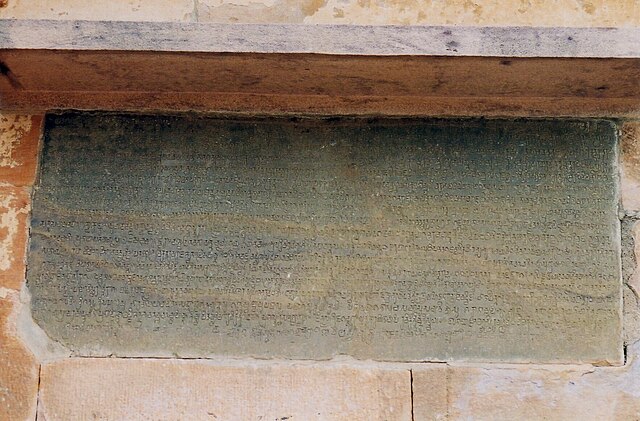
Important Ancient Inscriptions and Edicts
Inscriptions and Edicts Descriptions Sohgaura Copper Plate It is a Mauryan record that mentions famine relief efforts. Rummindei Pillar Edicts (Lumbini) The inscription mentions Ashoka’s visit to Lumbini (Rummindei) in Rupandehi district of Nepal, the birthplace of Lord Buddha. Prayag-Prashasti … Continue reading
Gupta Age: Science and Technology
Aryabhatta A great mathematician and astronomer, authored the book Aryabhatiyam in 499 CE. It deals with mathematics and astronomy. It explains scientifically the occurrence of solar and lunar eclipses. Aryabhatta was the first to declare that the earth was spherical … Continue reading
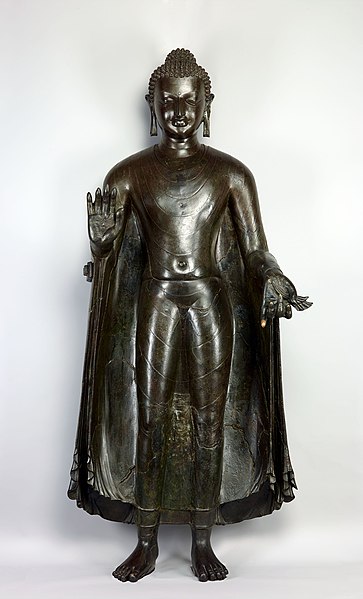
Gupta Age: Stupas and Sculptures
Stupas The Gupta age saw a decline in the development of stupas. Dhamek Stupa at Sarnath near Varanasi is a fine example of stupa developed during this period. Sculptures: Sarnath School It was characterised by the use of cream coloured … Continue reading
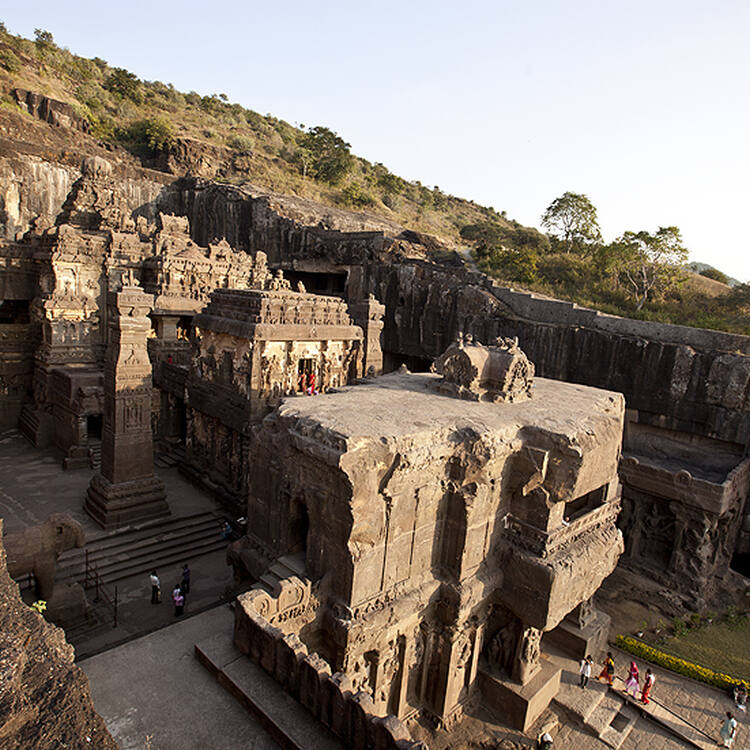
Gupta Age: Caves
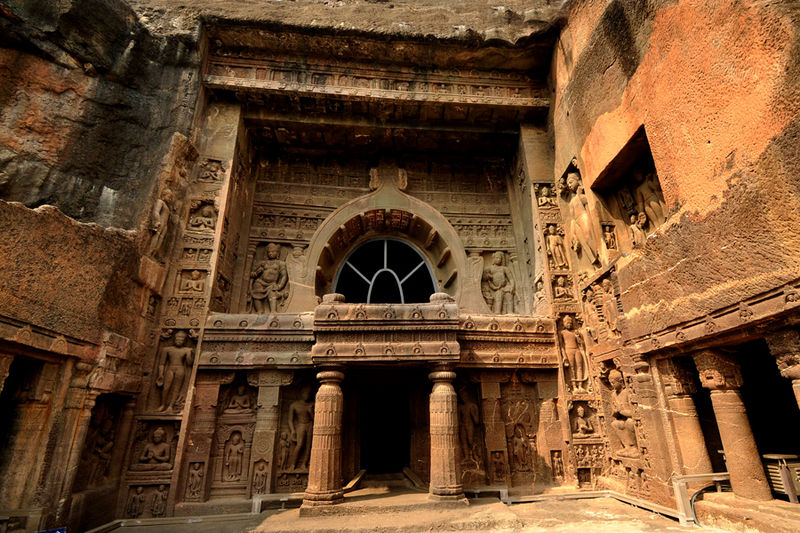
Ajanta Caves Location: Ajanta is a series of rock-cut caves in the Sahyadri ranges (Western Ghats) near Aurangabad in Maharashtra. Associated River: Waghora River. Number of Caves: There are a total of 29 caves (all Buddhist) of which 25 were … Continue reading
Gupta Age: Temples Architecture
Temples Materials Used: Construction of the temple was done using dry stone masonry in the desired shape & form. Binding Agent: There was no use of mortar. Tenon & groove method was used for joining the stones where one block … Continue reading
Gupta Age: Basics
The Gupta Age is referred to as the “Golden Age of India”. Contributions made by Guptas Earlier Gupta rulers were Buddhists and continued the traditions of Buddhist architecture. Temple architecture came to the forefront under the patronage of the Hindu … Continue reading
Post Mauryan Art: Stupas and Sculpture
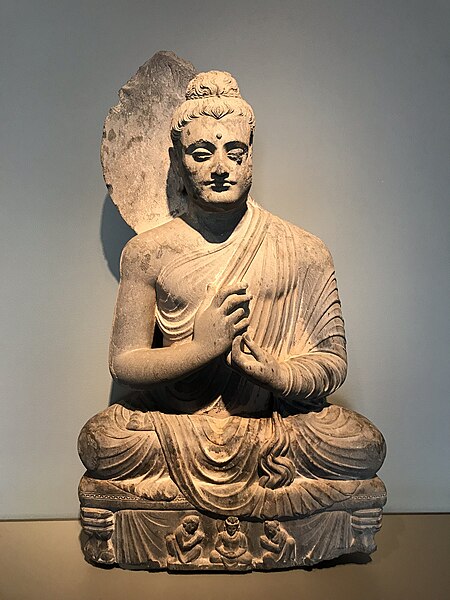
Stupas Stupas became larger and more decorative in the post-Mauryan period. Stone was increasingly used in place of wood and brick. The Shunga dynasty introduced the idea of torans as beautifully decorated gateways to the stupas. For example – Bharhut … Continue reading
Post Mauryan Art: Cave Architecture
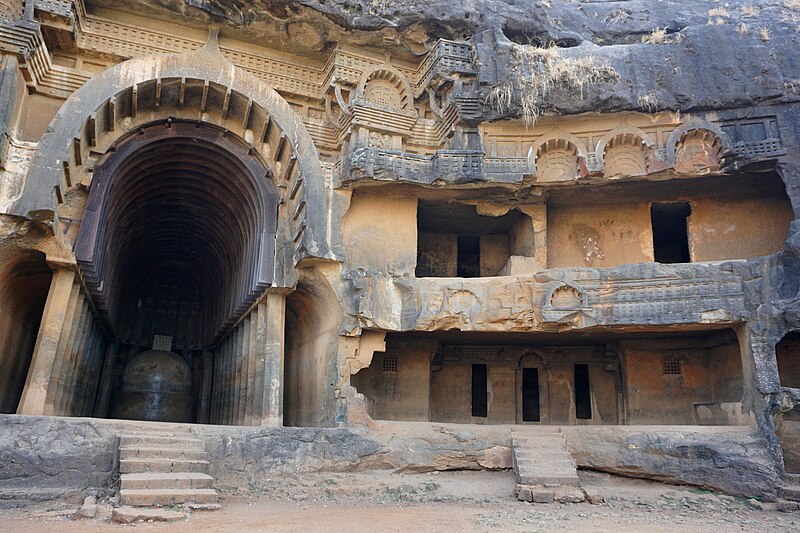
Rock-Cut Caves Construction of rock-cut caves is the extension of the Mauryan period but this period saw the development of two types of rock caves – Chaityas and Viharas. Chaityas – They were mainly quadrangular chambers with flat roofs and … Continue reading
Mauryan Art and Architecture: Cave Architecture and Pottery
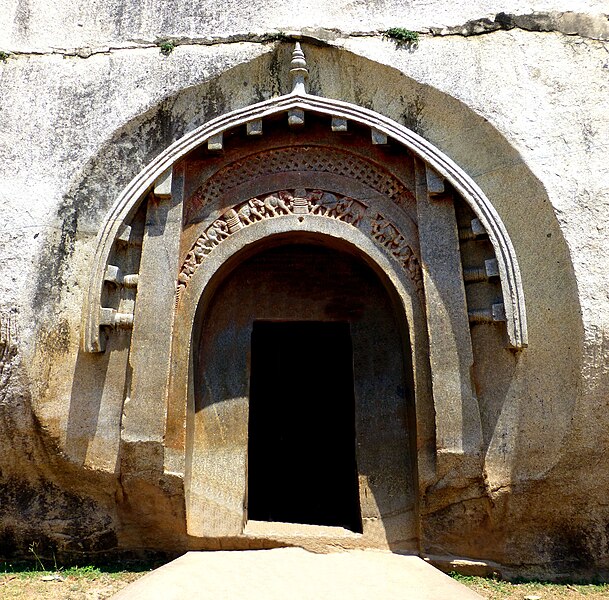
Cave Architecture Barabar Hill Caves Location: Situated in Jehanabad district, Bihar Historical Significance Oldest surviving rock-cut caves in India (Mauryan Period – 3rd century BCE) Associated with the Ajivika sect, an ascetic movement contemporary to Buddhism and Jainism Patronized by … Continue reading